Past Exhibitions
Browse the chronological list of past exhibitions at the Saint Louis University Museum of Contemporary Art (MOCRA), or search for a specific exhibition. Click “View” for more information about an exhibition. If you need further information about an exhibition, please contact us.
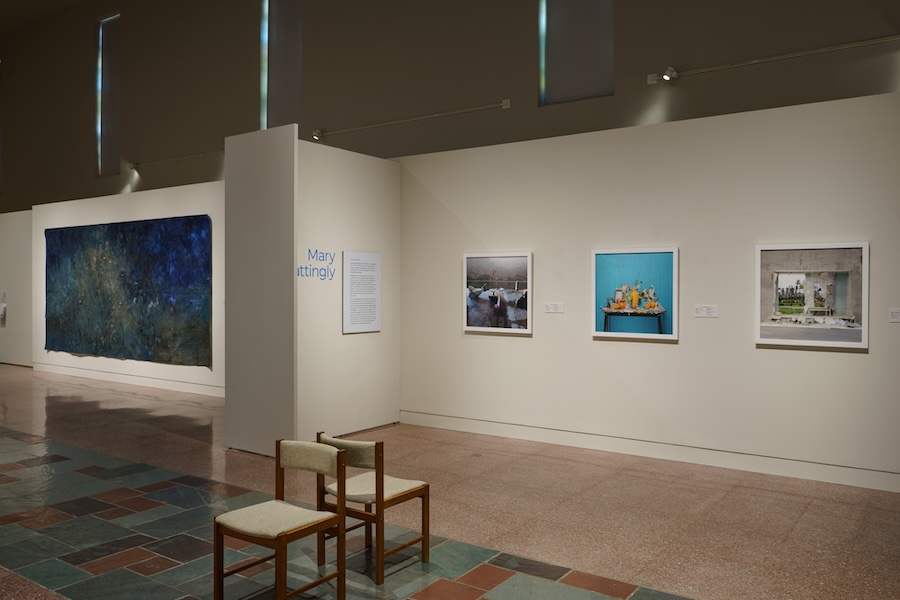
To See This Place: Awakening to Our Common Home
September 05, 2025 to December 14, 2025
Ten years ago, Pope Francis published Laudato Si’: On Care for Our Common Home, a wake-up call addressing the global ecological crisis. Drawing on disciplines ranging from climate science to sociology, Francis proposed an “integral ecology” linking our treatment of the environment with our treatment of fellow human beings. Laudato Si’ and Francis’s 2023 follow-up document Laudate Deum are touchstones for individuals and institutions, including Jesuit schools such as Saint Louis University, responding to the challenges before us.
Laudato Si’ reminds us that artists play an indispensable role in our collective response to combating climate change and healing relationships with the planet and each other. To See This Place presents work by Athena LaTocha, Mary Mattingly and Tyler Rai, three artists whose work resonates with the major themes of Laudato Si’ and Laudate Deum.
Embodying a breadth of personal, geographic, and cultural backgrounds, the three artists create works strongly associated with a sense of place, whether specific or imaginary. Their works, spanning the disciplines of painting, photography, sculpture, video, and performative art, are informed by intensive research. The artists often incorporate materials sourced from particular locales, then draw forth broader themes from that particularity. In this way, the artists critique systems that perpetuate destructive self-interest, and draw attention to people who have been excluded or harmed by those systems.
These artistically compelling works can inspire us to creativity and boldness in our efforts to address climate change. By awakening us to the particularities and interconnectedness of the spaces we inhabit, these artists help transform climate despair into climate hope and move us from awareness to action.
Curated by Al Miner and MOCRA Director David Brinker, To See This Place presents work by Athena LaTocha, Mary Mattingly, and Tyler Rai. Spanning the disciplines of painting, photography, sculpture, video, and performative art, and informed by intensive research, the work of these three artists resonates with the major themes of Laudato Si’. By awakening us to the particularities and interconnectedness of the spaces we inhabit, these artists help transform climate despair into climate hope and move us from awareness to action.
To See This Place debuted at the Fairfield University Art Museum in January 2025. Learn more here.
About the Artists
Athena LaTocha
Athena LaTocha (b. 1969) is an artist whose works on paper explore the relationship between human-made and natural worlds. She incorporates materials such as ink, lead, soils and wood, looking at mark-marking and displacement of materials made by industrial equipment and natural events. Her works are informed by her upbringing in the wilderness of Alaska. LaTocha’s process is about being immersed in these environments, while responding to the storied and, at times, traumatic histories that are rooted in place.
Landscapes shaped by both natural and human forces inspire LaTocha, whose childhood in Alaska influenced her “perception of place and locating oneself.” There she was aware of the uniquely “massive perspective,” allowing her “to look down, to look across and to see great distances.” On a return trip, she went off the grid at a whaling camp on Kodiak Island, where her work took an abstract turn. Today, she creates by placing massive sheets of paper on the floor to obtain an aerial perspective as she works. As seen in the variety of scale presented here, LaTocha’s interests range from the microcellular to the cosmic.
LaTocha’s site-responsive, process-driven practice involves taking field notes, documentation, artifacts and raw materials from the landscape back to her studio. For some of the works on view here, LaTocha collected materials in New Hampshire. Decaying pine branches were burned to make charcoal. She extracted full sheets of prismatic mica from the depths of a private mine and crushed them in her hands. From a gravel-washing pond at a quarry, she took a large bucket of sediment to scatter. Her encrusted, corrosive surfaces heave rather than lay flat. LaTocha manifests the “human desire to maintain stability on something that’s always shifting.”
Additionally — and informed partially by her Indigenous heritage — Latocha comments on the politics of place. For instance, soil from Brooklyn’s Green-Wood Cemetery was used for small-scale works on view that carry memories of the city’s dead, but also of the Lenape people who first inhabited that land.
Mary Mattingly
Mary Mattingly (b. 1978) is an interdisciplinary artist whose work explores ecological relationships through sculptural ecosystems, performative installations, and research-based collaborations. Rooted in a deep inquiry into urban ecology and interdependence, her work addresses urgent issues around water, food systems and climate adaptation. At the core of Mattingly’s practice is a belief in art as a form of investigation and a tool for imagining adaptive futures. Her installations often function both symbolically and practically: creating space for gathering, co-learning, and reflecting on systems of resource extraction and ecological resilience.
According to Mattingly, the climate crisis isn’t an apocalypse, it is a “slow violence.” Through her work in social practice, collage, sculpture and photography, she seeks to inspire a perception shift in viewers and challenges them to take on the weight of responsibility.
Mattingly had a rural upbringing in New York, where the drinking water was contaminated with agricultural runoff. She says, “water was my first subject.” She studied science and geology in college and later became interested in publications ranging from Renewing the Earth to The Catholic Worker. These influences — along with dreams and recent experiences — inform the ongoing series Spring of an Ebb Tide (2023–present). In these works, weather phenomena and ancient water rituals collide with a recent interest in glacial spaces.
In 2022, Mattingly’s ground-floor New York City apartment flooded during an extreme rain event. She was then haunted by a recurring dream in which she “navigated the maze of a deconstructed apartment building that was dripping, leaking, and overgrown.” The still life on view here — rich with a watery blue background — evokes these occurrences. Other works incorporate her projects with water clocks. Dating to ancient Egypt, water clocks are clay vessels with a hole in the bottom. As it slowly drains out of the vessel, the water leaves marks on the vessel’s inner wall recording the passage of time. With the fate of our environment in mind, Mattingly poetically encourages viewers to imagine alternative futures.
Tyler Rai
Tyler Rai (b. 1991) is a transdisciplinary artist, ritualist, and producer who works across live performance, narrative essays, and experimental sound works. She draws connections between grief and mourning practices, biological and cultural inheritances, geologic time, and ecological change to reveal the poetic entanglements between spirituality, mythology, embodied experience and earth's ecological systems. She notes, “My body is an extension of the earth, and therefore the earth is always a research partner.”
Working across the worlds of performing and visual arts and ritual practice, Rai simultaneously mourns and celebrates the environment. She says, “Losing facets of the natural world calls our grief forward into practice.”
A rigorous researcher, Rai’s interest in time and the Jewish calendar brought her to an online course taught by Elana June during the pandemic. There, she learned about an Ashkenazi (Eastern European Jewish) spiritual tradition observed during Elul, the final month of the Hebrew calendar — when the boundary between the living and the dead is believed to grow thin. Women known as feldmesterin engage in a sacred practice of measuring entire cemeteries and the individual graves of their ancestors with cotton string, all while reciting tkhines — Yiddish prayers historically spoken by women. The thread, imbued with prayer, is later transformed into wicks for hand-dipped “soul candles” (neshome likht): some lit for the living, others kindled in remembrance of the dead on Yom Kippur. A video documents Rai’s own feldmestn, in which she offers neshome likht to a threatened stretch of shoreline along Maryland’s Chesapeake Bay—a gesture of mourning, reverence, and resistance in the face of climate change. As Rai says, “We need the earth in order to remember our rituals — and the time to remember is now."
Rai presents not only the video made as a result of the performance, but also a notebook. An extension of a practice enriched by collaborative community engagement, she encourages audiences to record here their own tkhines in it.
genius loci
Rai collaborated with SLU faculty member Holly Seitz Marchant and her choreography class on a new improvised work titled genius loci. We thank the Pulitzer Arts Foundation for making the Spring Church and Park-Like urban garden available for the performance.
About the Curators
Al Miner
Al Miner is an award-winning curator, educator and museum administrator based in Washington, D.C. Miner is deputy director for museum experience and digital eedia at the U.S. Holocaust Memorial Museum. He previously served as founding director and chief curator of Georgetown University’s art galleries where he was also associate professor of graduate museum studies. Miner has also held curatorial roles at the Museum of Fine Arts, Boston and the Smithsonian Institution’s Hirshhorn Museum and Sculpture Garden. He has authored three books and organized dozens of exhibitions, which have been reviewed widely in publications including The New York Times. Miner has received grants from the National Endowment for the Arts, The American Alliance of Museums and other organizations.
David Brinker
David Brinker is director of the Museum of Contemporary Religious Art (MOCRA) at Saint Louis University — the first museum to focus on the spiritual and religious dimensions in contemporary art. First volunteering at the museum as an undergraduate student, then joining the staff in 1995, Brinker has been deeply involved in every aspect of the museum’s operations and growth. He assumed the role of director in 2019. He has overseen important initiatives such as the MOCRA Voices podcast, and curated or co-curated numerous MOCRA exhibitions.
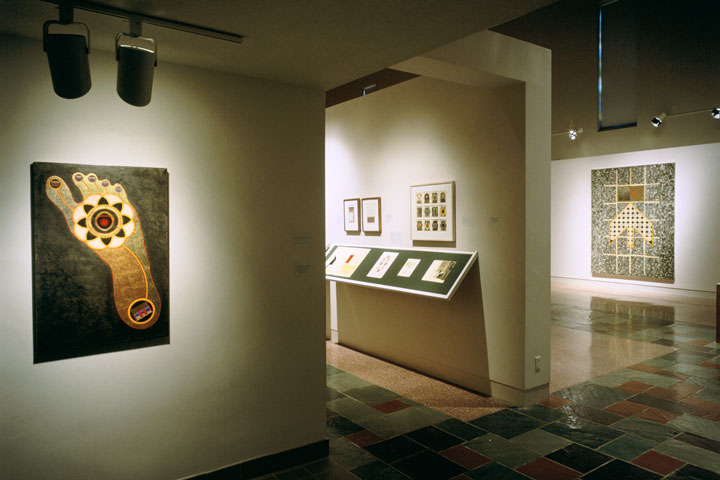
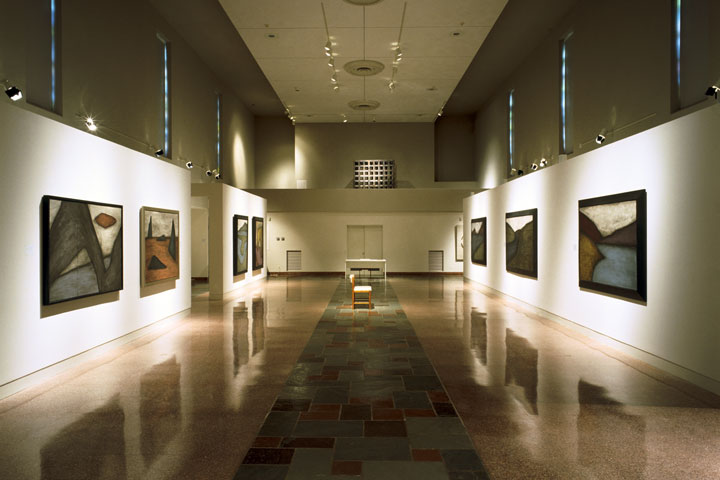
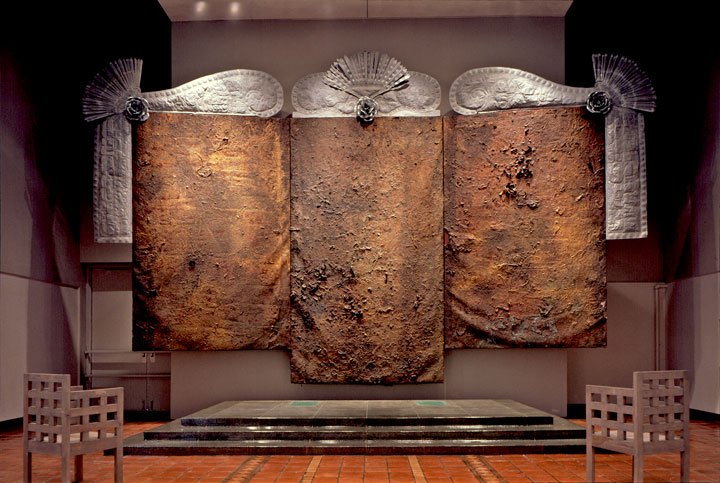
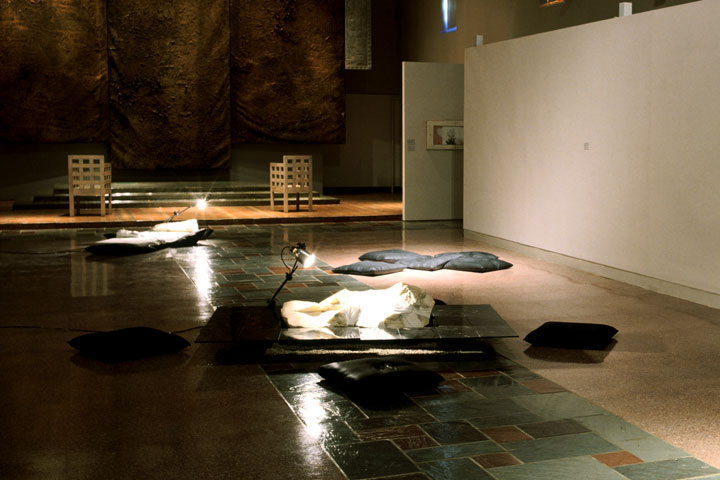
above:
Installation view, To See This Place: Awakening to Our Common Home, 2025. Photo: Kevin Lowder.
Related programming
A Conversation with Athena LaTocha
Mary Mattingly: The Kristen Peterson Distinguished Lecture in Art and Art History
Watch Fall 2025 Exhibitions Overview
Watch A Conversation with Athena LaTocha
Watch Mary Mattingly: The Kristen Peterson Lecture
National Catholic Reporter article about To See This Place at Fairfield University Art Museum
| Exhibition |
|---|
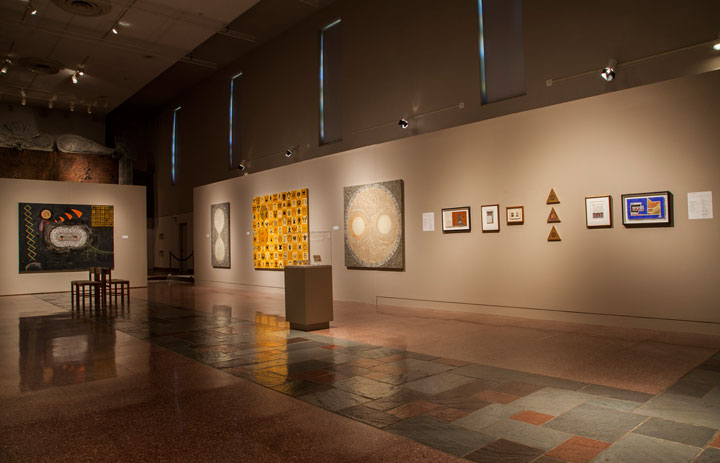
Bernard Maisner: The Hourglass and the Spiral |
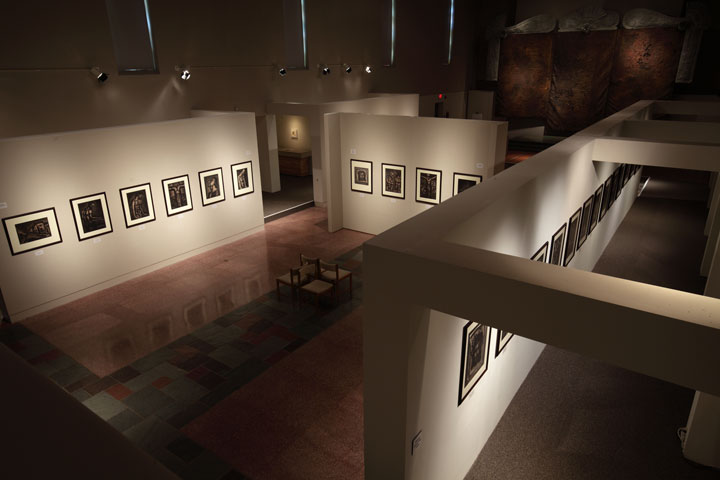
Georges Rouault: Miserere et Guerre |
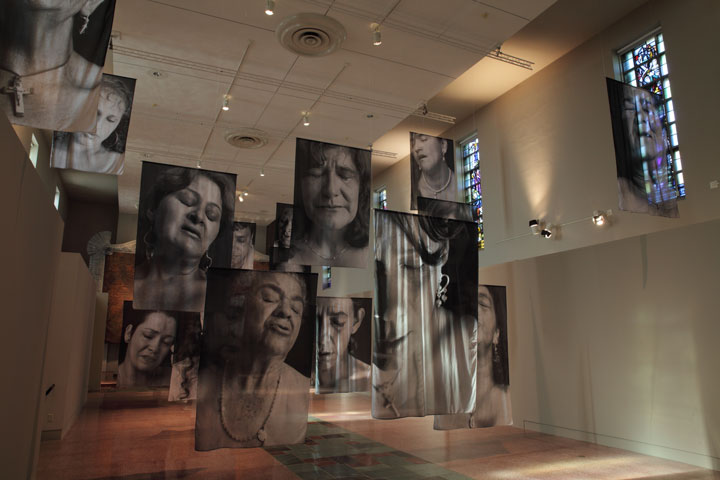
Erika Diettes: Sudarios |
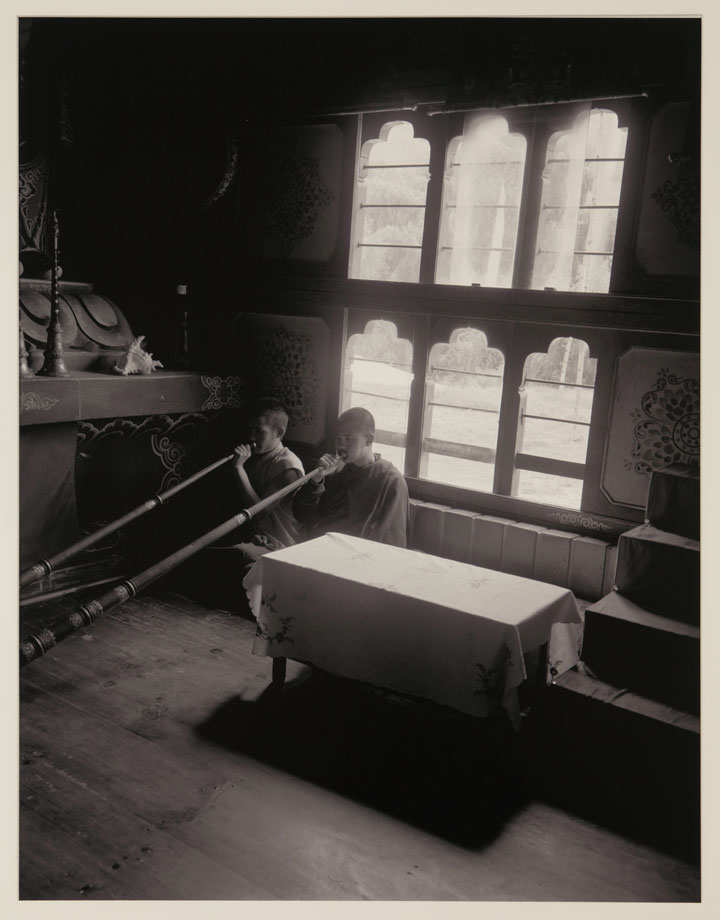
Regina DeLuise: Vast Bhutan – Images from the Phenomenal World |
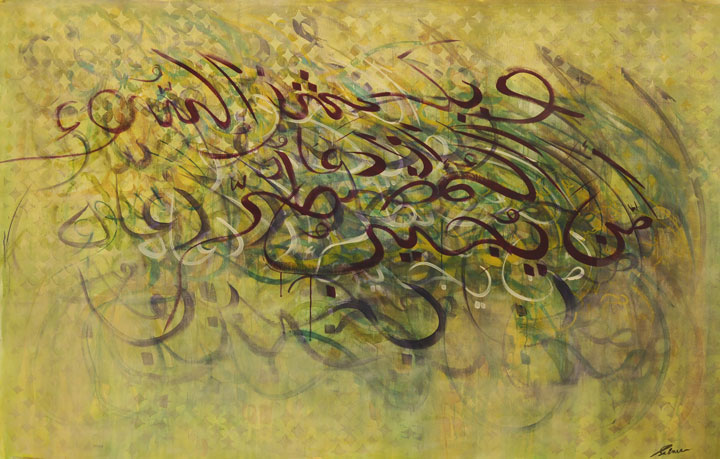
Painting Prayers: The Calligraphic Art of Salma Arastu |
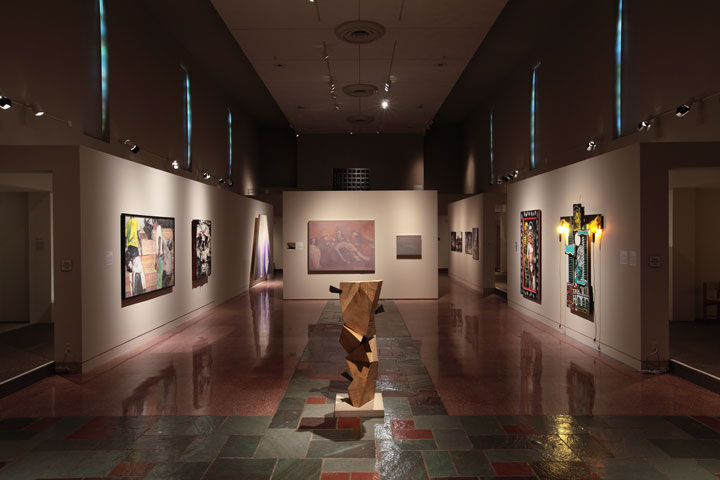
Thresholds: MOCRA at 20 – Part Two, The Second Decade |
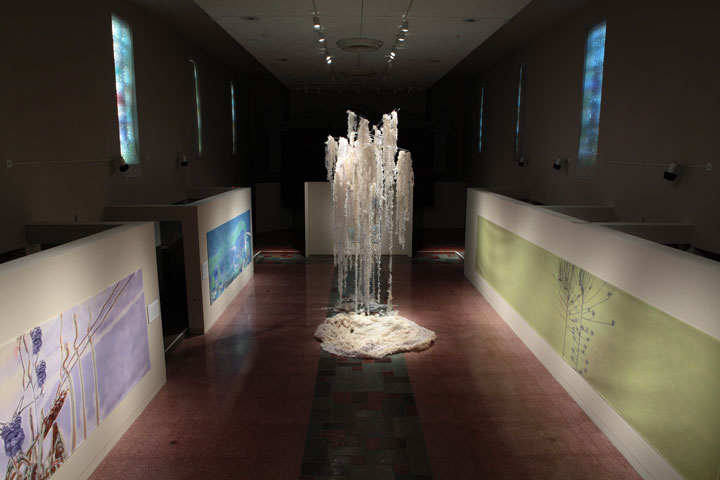
Rebecca Niederlander: Axis Mundi |
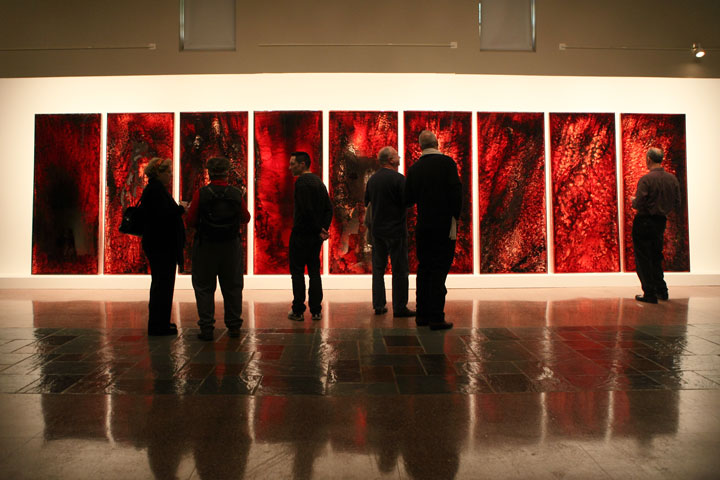
Jordan Eagles: BLOOD / SPIRIT |
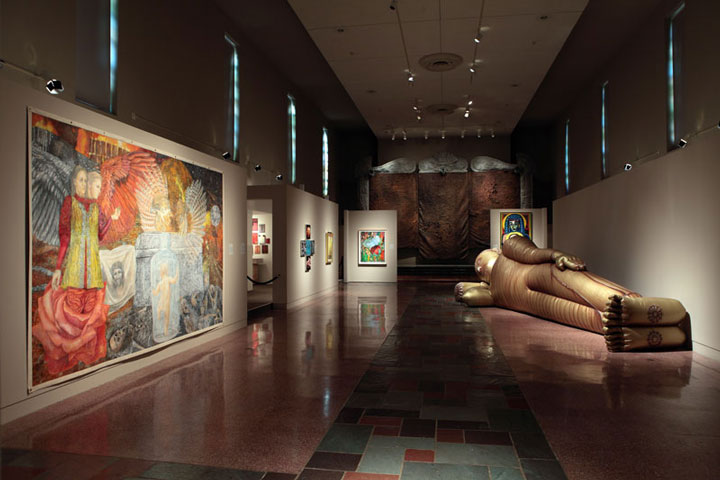
Thresholds: MOCRA at 20 – Part One, The First Decade |
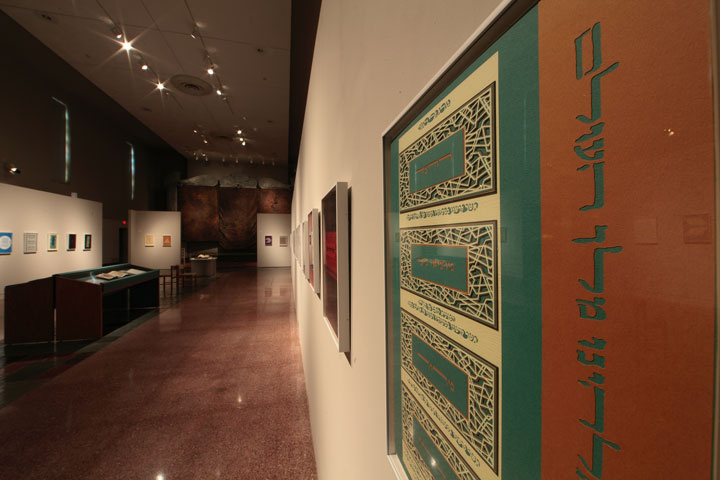
Archie Granot: The Papercut Haggadah |
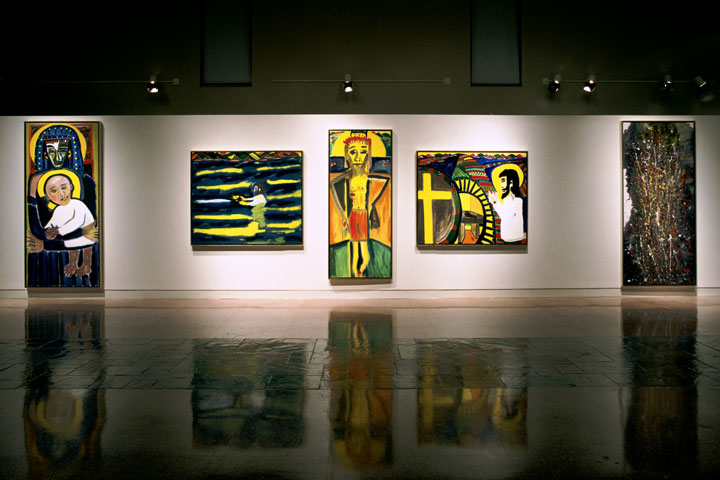
A Tribute to Frederick J. Brown |
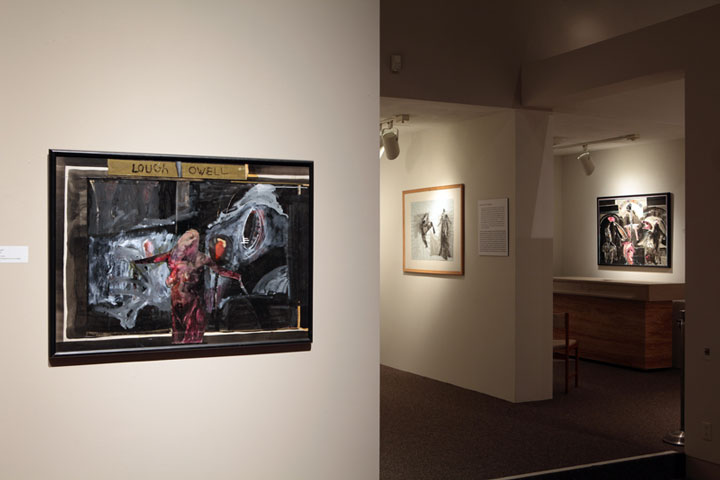
Patrick Graham: Thirty Years – The Silence Becomes the Painting |
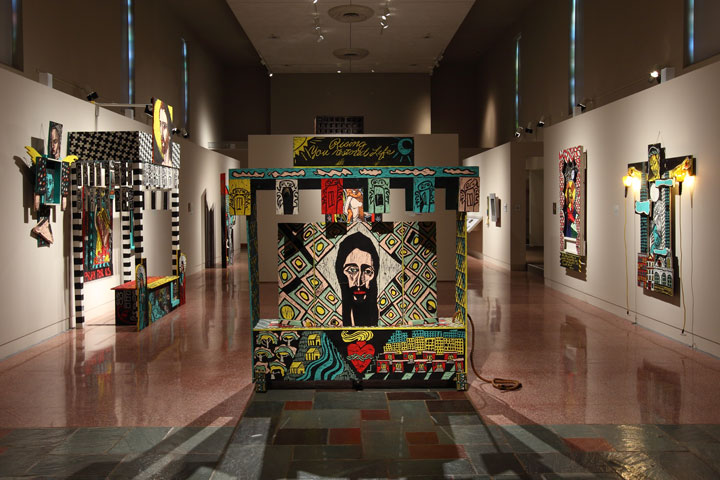
Adrian Kellard: The Learned Art of Compassion |
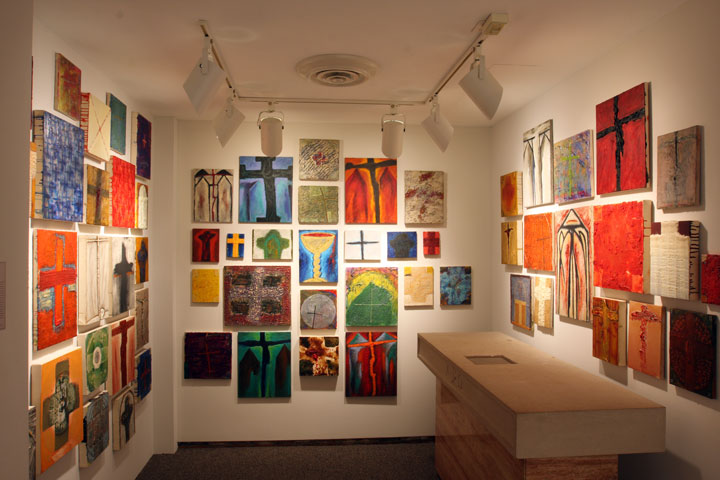
Good Friday: The Suffering Christ in Contemporary Art |
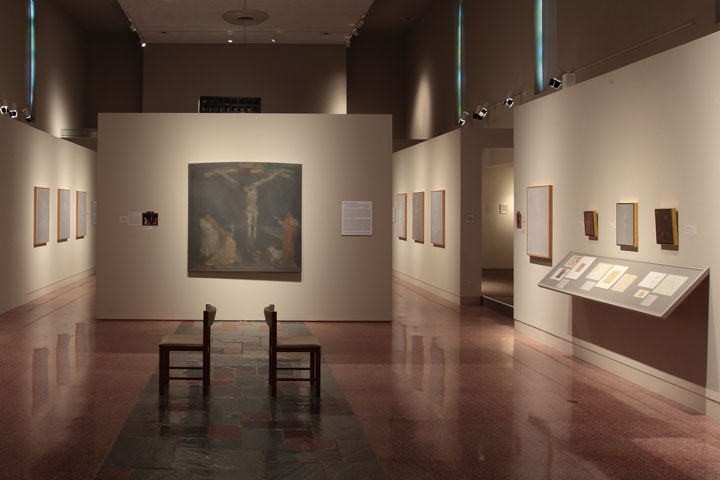
James Rosen: The Artist and the Capable Observer |
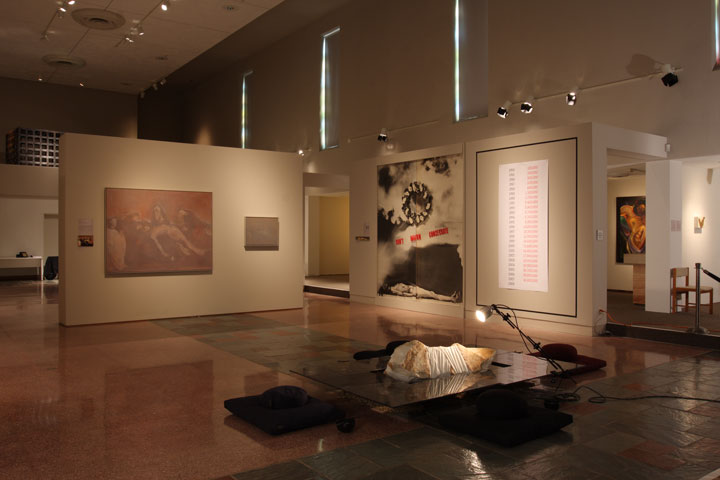
MOCRA at Fifteen: Good Friday |
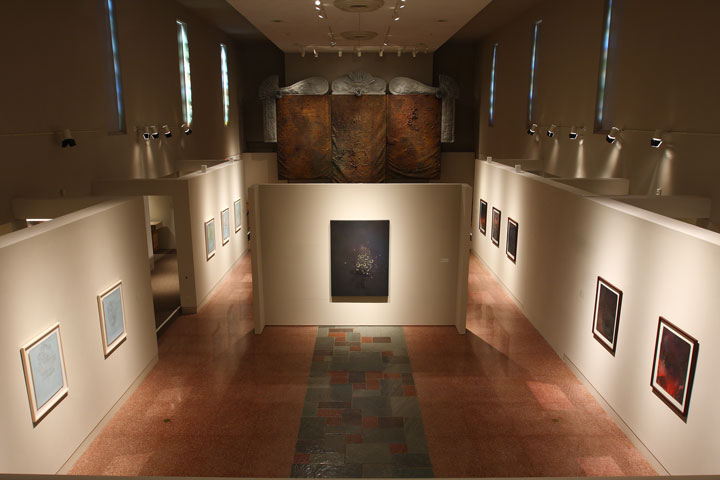
Michael Byron: Cosmic Tears |
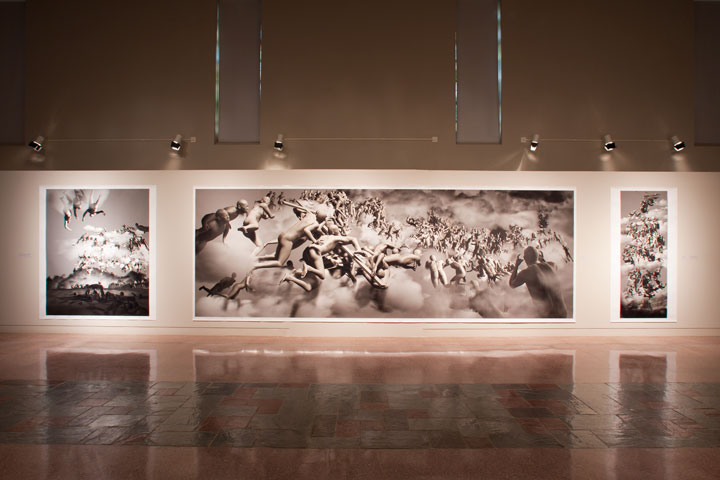
Miao Xiaochun: The Last Judgment in Cyberspace |
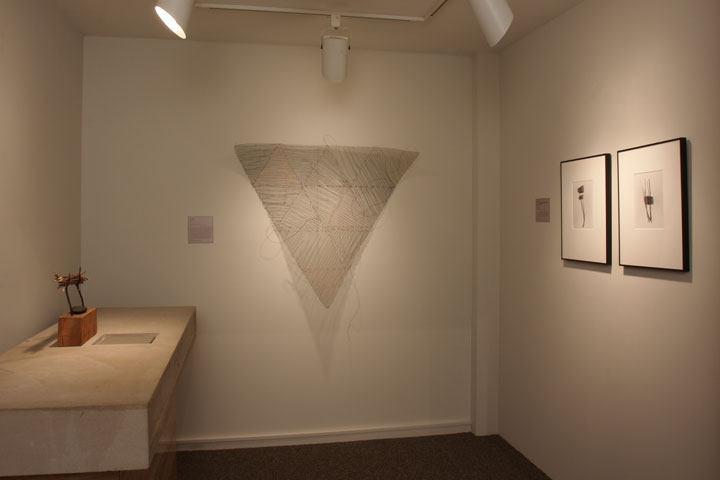
MOCRA at Fifteen: Pursuit of the Spirit |
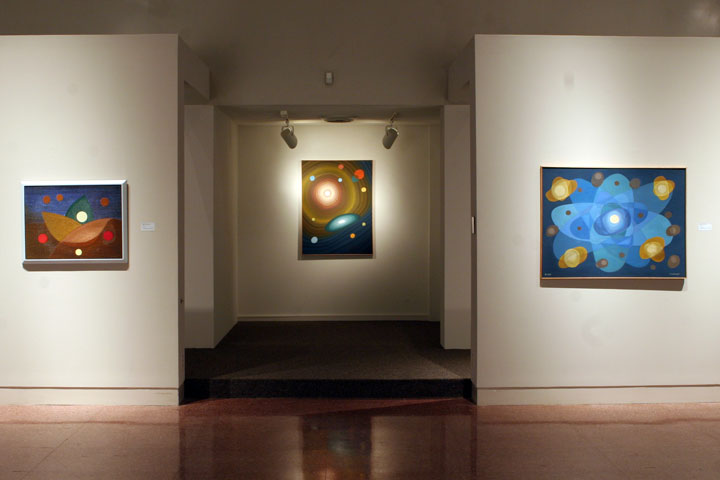
Oskar Fischinger: Movement and Spirit |
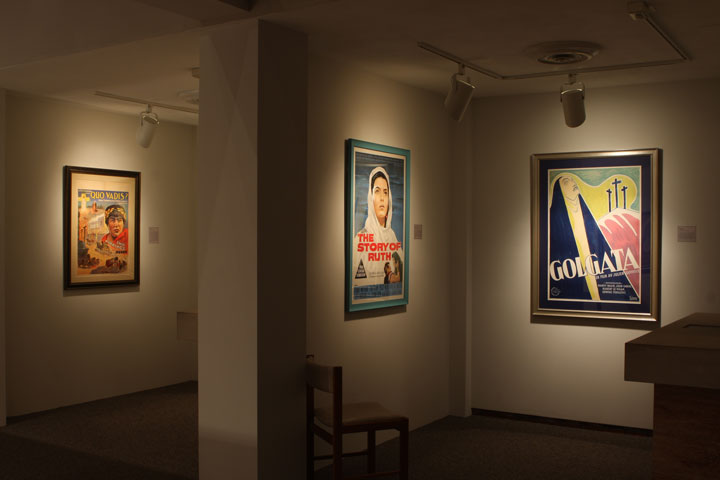
The Celluloid Bible: Marketing Films Inspired by Scripture |
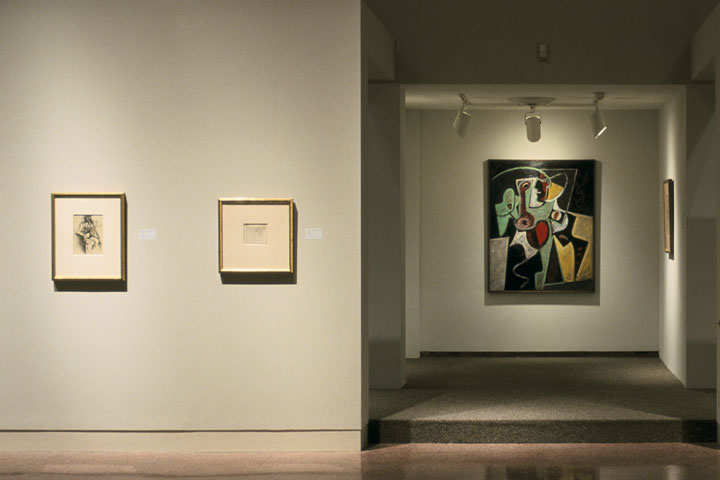
Gorky: The Early Years – Drawings and Paintings, 1927–1937 |

Andy Warhol: Silver Clouds |
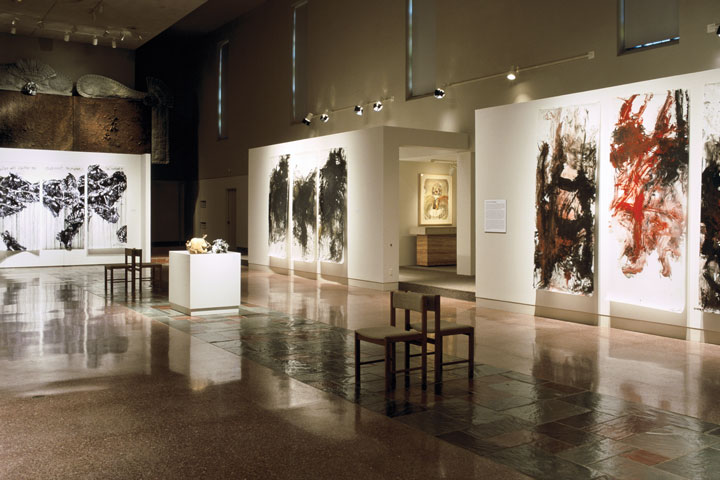
Junko Chodos: The Breath of Consciousness |
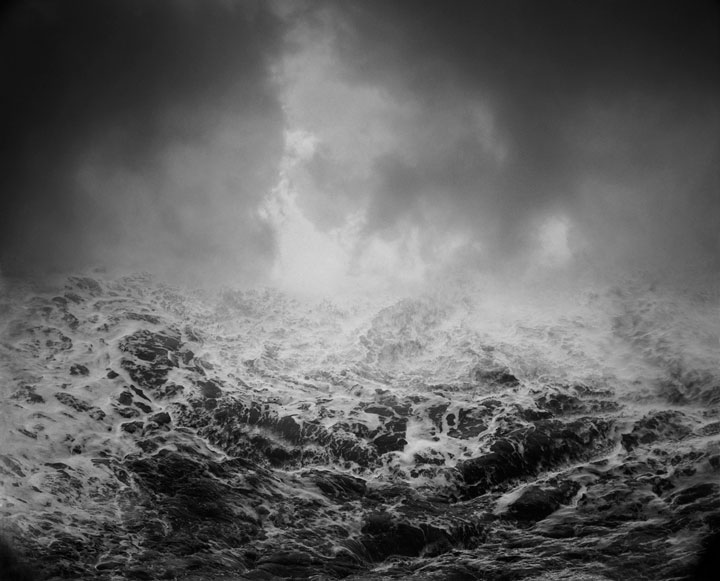
DoDo Jin Ming: Land and Sea |
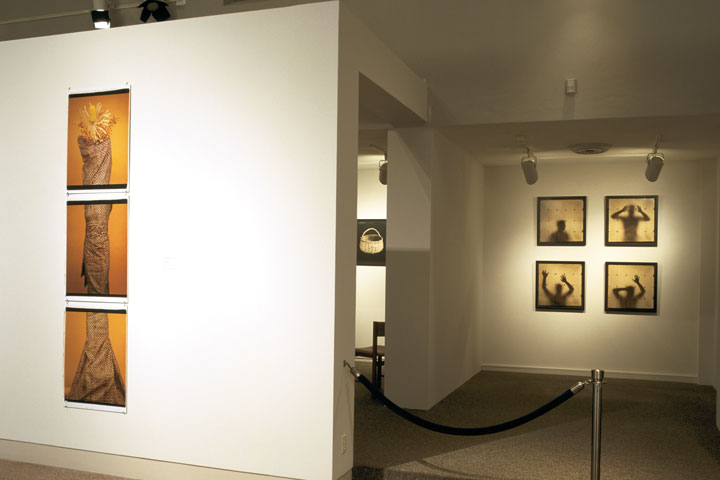
Rito, Espejo y Ojo / Ritual, Mirror and Eye: Photography by Luis González-Palma, María Magdalena Campos-Pons, and Pablo Soria |
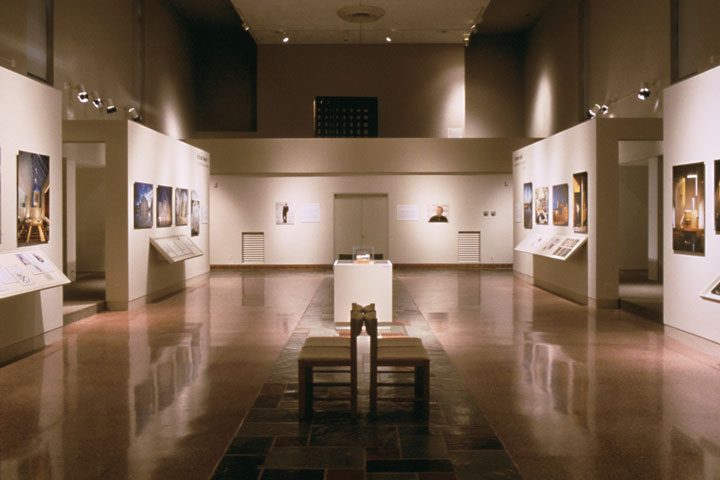
Radiant Forms in Contemporary Sacred Architecture: Richard Meier and Steven Holl |
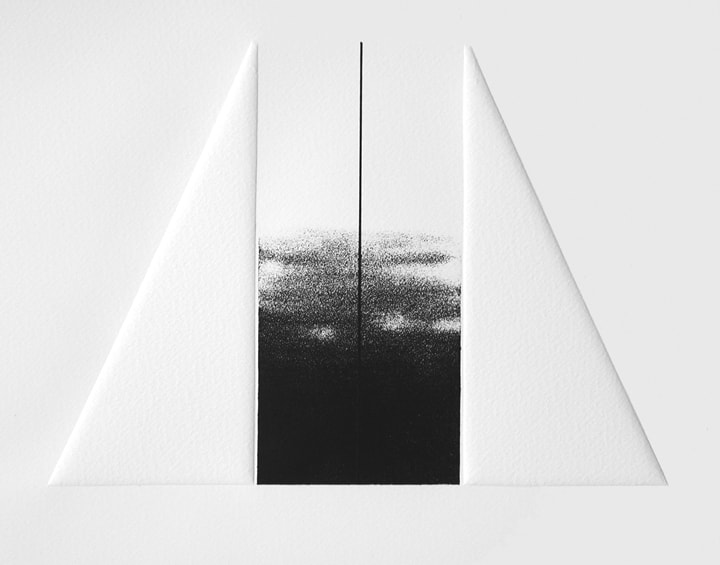
Daniel Ramirez: Twenty Contemplations on the Infant Jesus, an Homage to Oliver Messiaen |
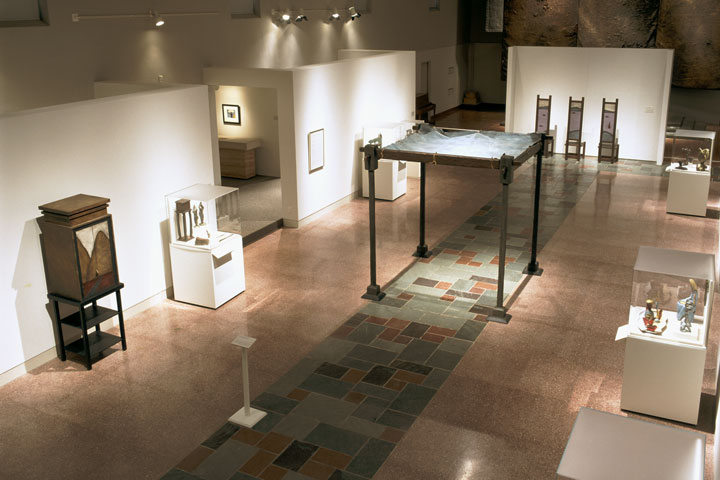
Avoda: Objects of the Spirit – Ceremonial Art by Tobi Kahn |
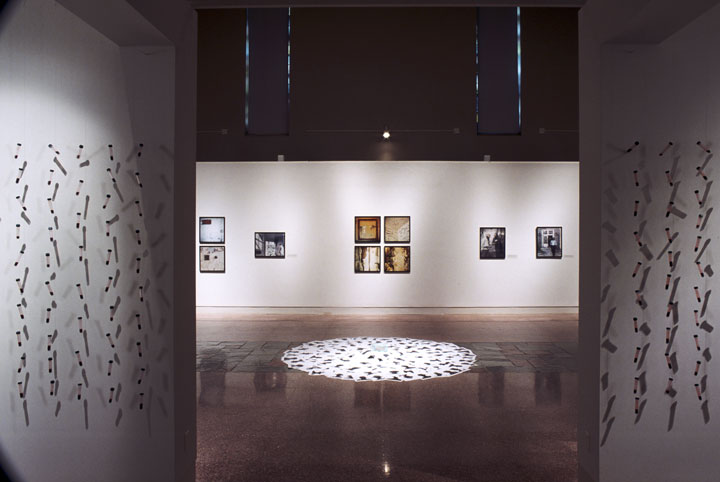
Tony Hooker: The Greater Good – An Artist’s Contemporary View of the Tuskegee Syphilis Study |
|
Andy Warhol: Silver Clouds, an encore presentation |
|
Andy Warhol’s Silver Clouds: A Fortieth Anniversary Celebration |
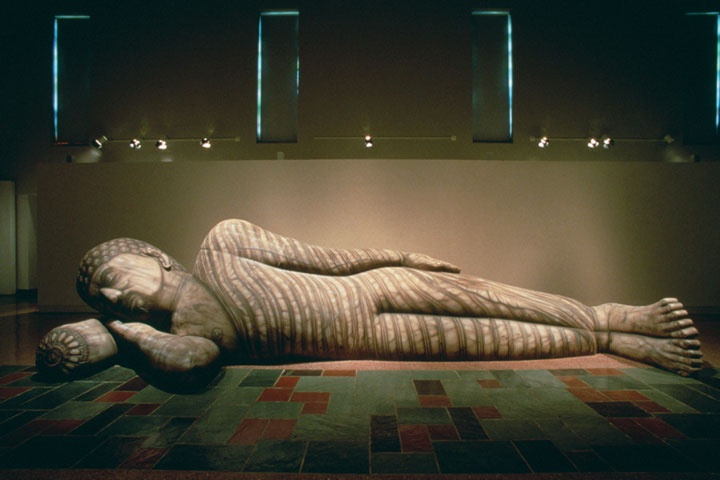
Lewis deSoto: Paranirvana |
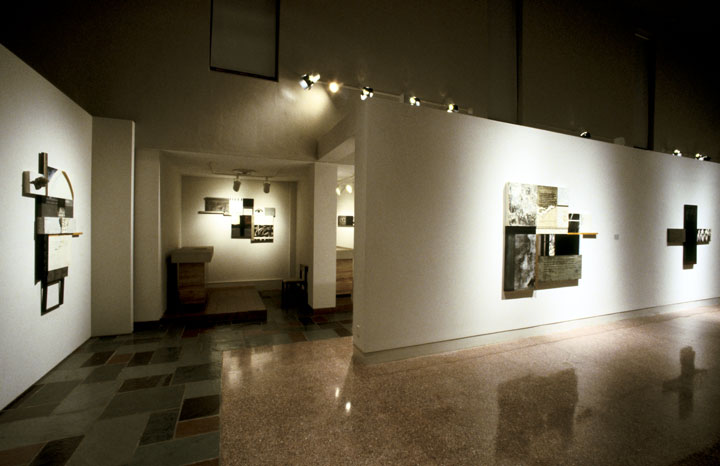
Robert Farber: A Retrospective, 1985–1995 |
Bernard Maisner: Entrance to the Scriptorium |
Tobi Kahn: Metamorphoses |
MOCRA: The First Five Years |
Steven Heilmer: Pietre Sante | Holy Stones |
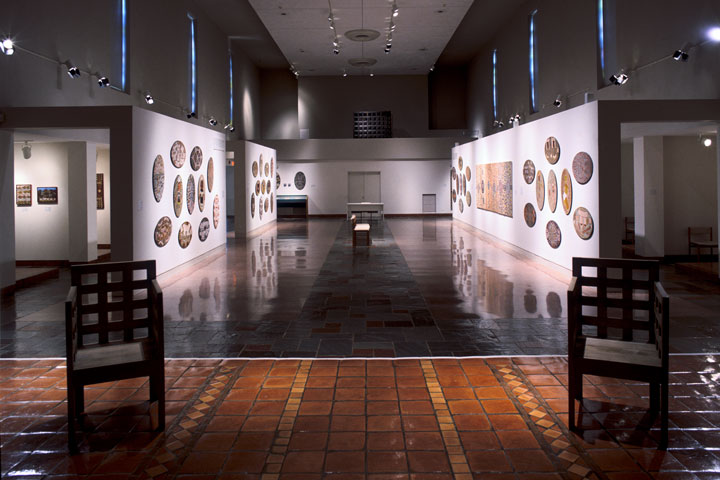
Utopia Body Paint Collection and Australian Aboriginal Art from St. Louis Collections |
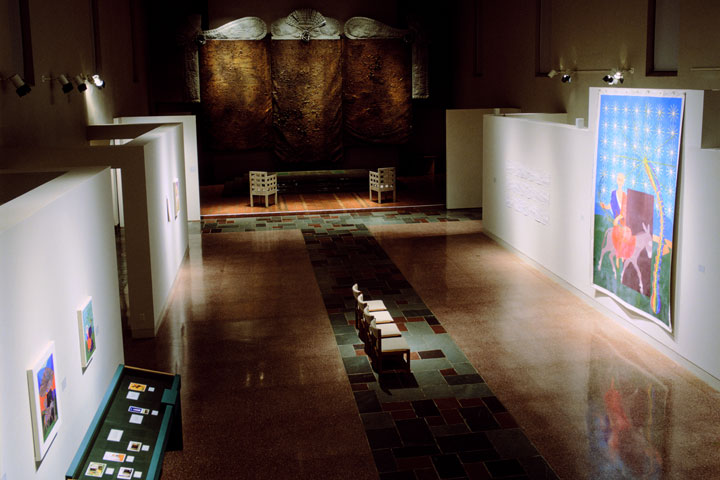
Manfred Stumpf: Enter Jerusalem |
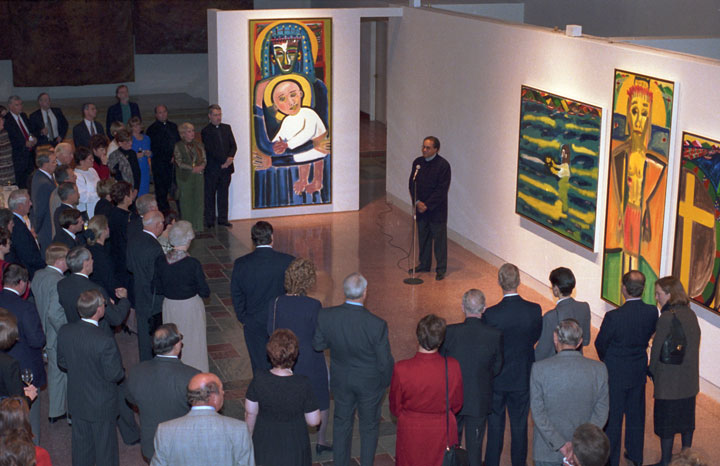
Frederick J. Brown: The Life of Christ Altarpiece |
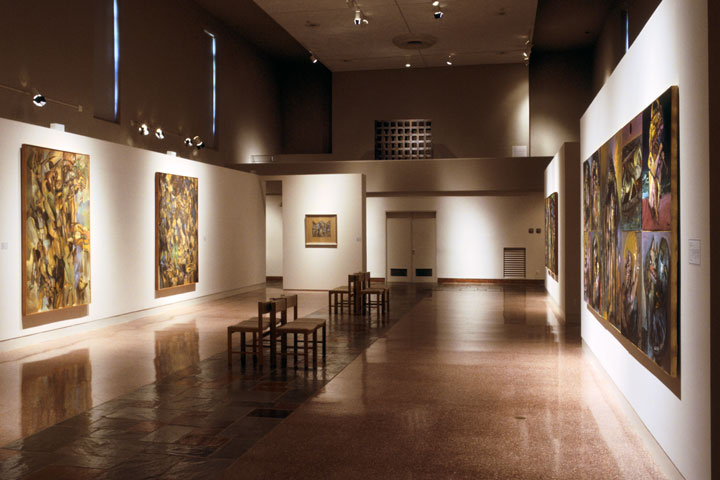
Edward Boccia: Eye of the Painter |
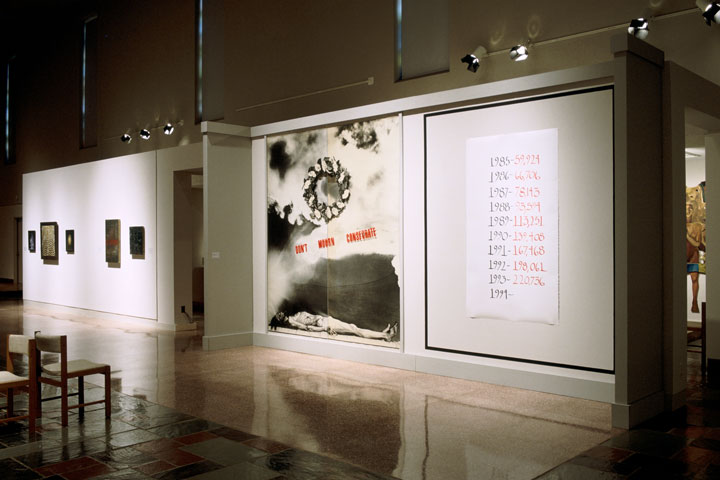
Consecrations Revisited |
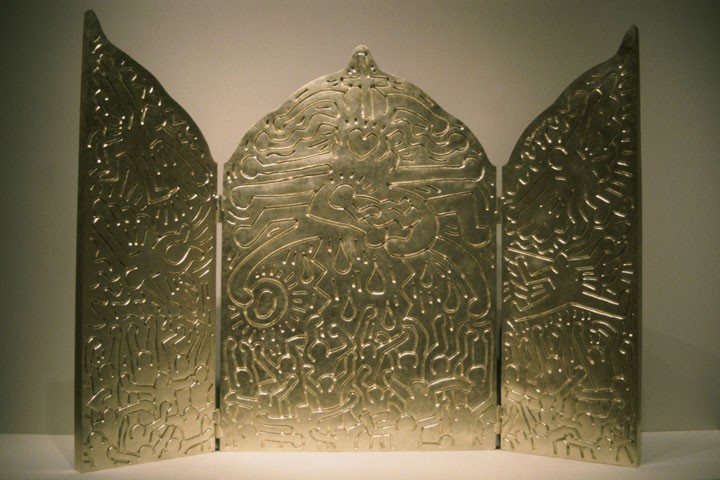
Keith Haring: Altarpiece – The Life of Christ |
Ian Friend: The Edge of Belief – Paintings, Sculpture, and Works on Paper, 1980–1994 |
Eleanor Dickinson: A Retrospective |
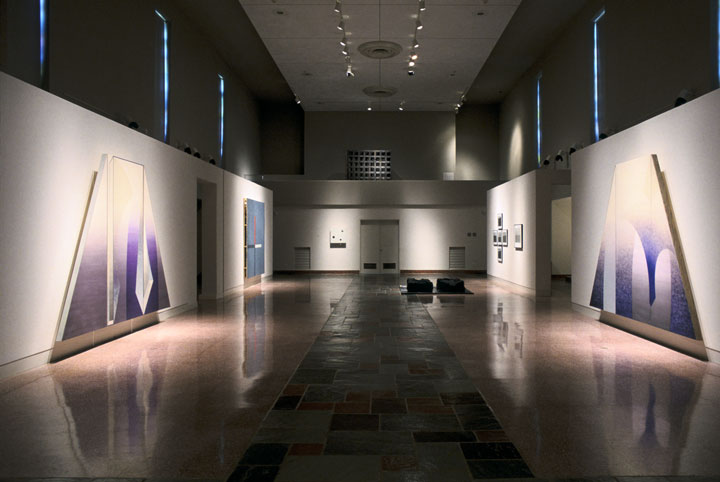
Post-Minimalism and the Spiritual: Four Chicago Artists |
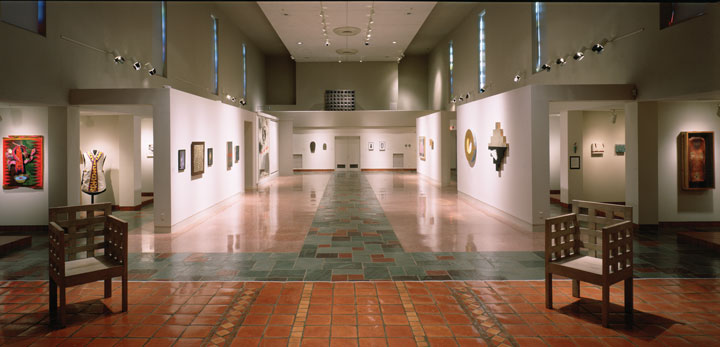
Consecrations: The Spiritual in Art in the Time of AIDS |
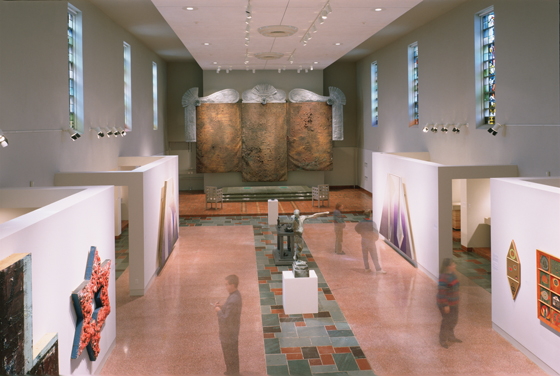
Sanctuaries: Recovering the Holy in Contemporary Art, Part One |
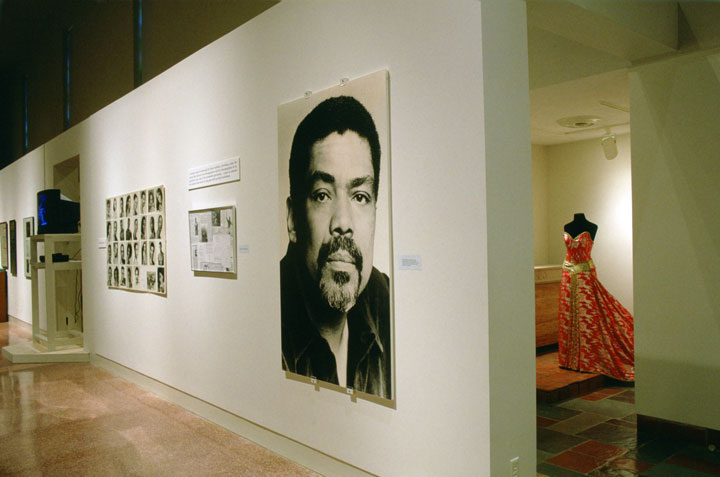
Body and Soul: The Alvin Ailey American Dance Theater |
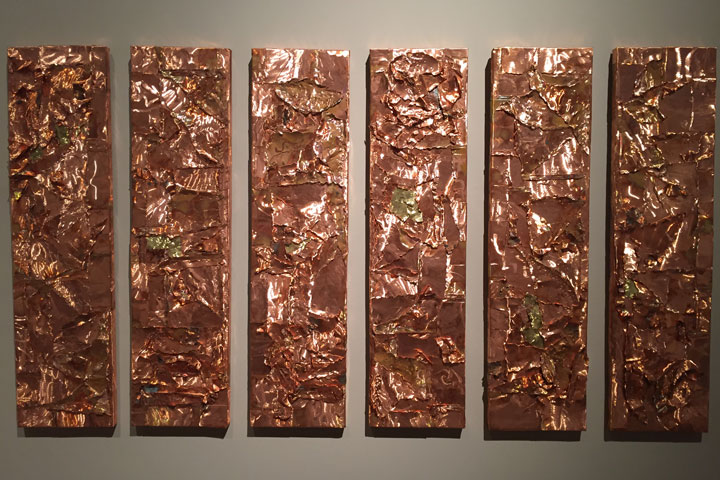
Transformations: Highlights from the MOCRA Collection |
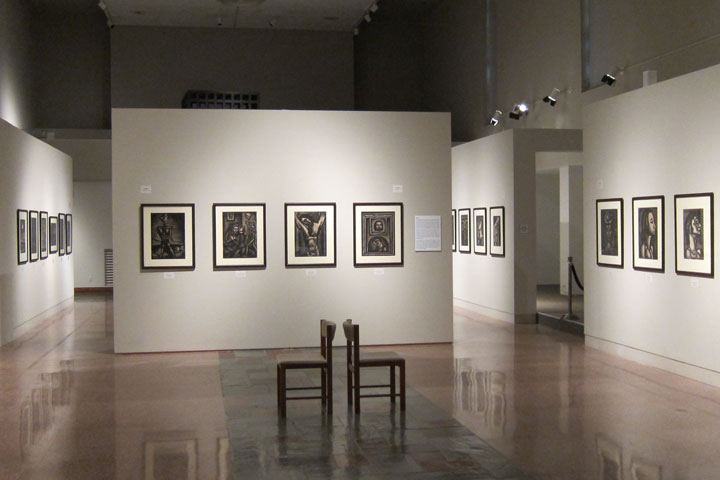
Georges Rouault: Miserere et Guerre |
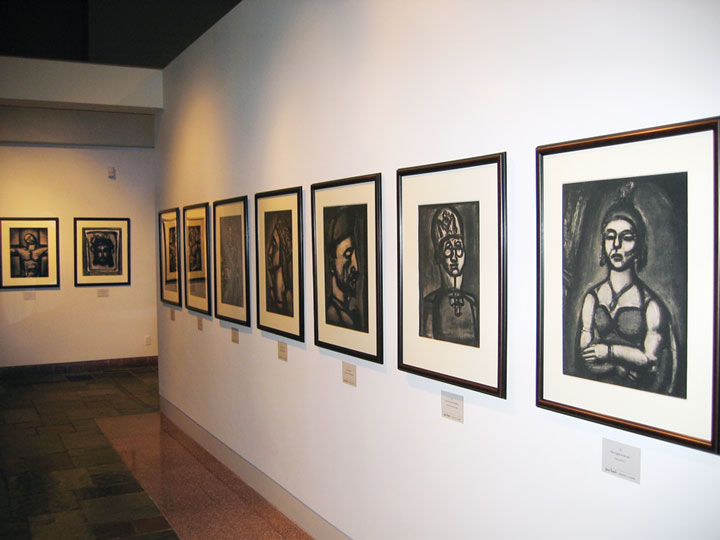
Georges Rouault: Miserere et Guerre |
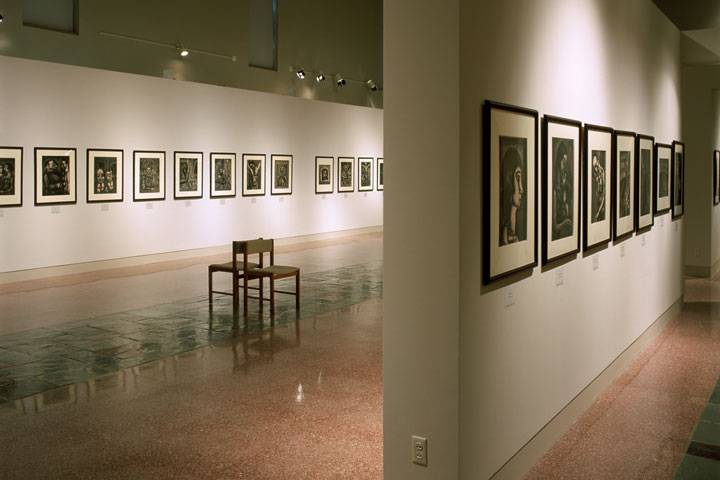
Georges Rouault: Miserere et Guerre |
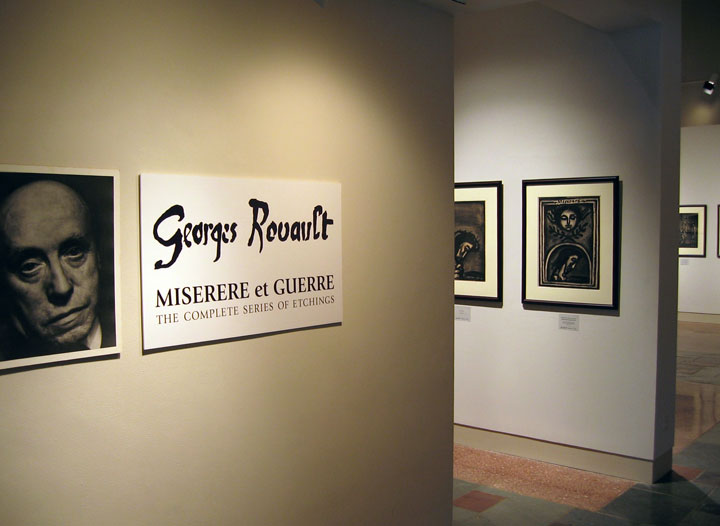
Georges Rouault: Miserere et Guerre |
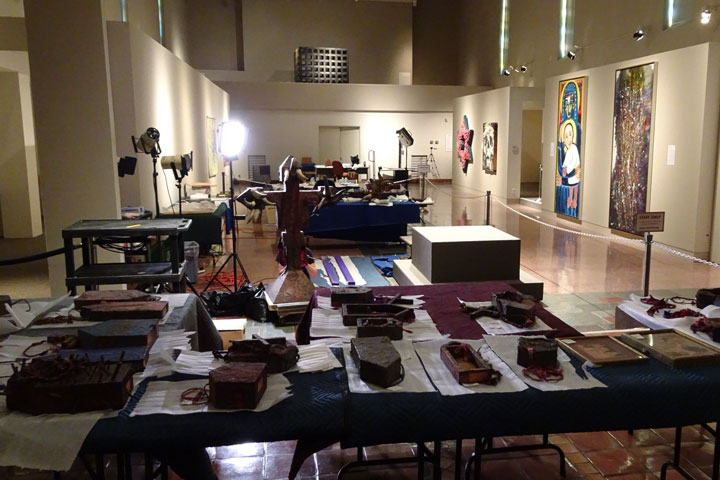
Visible Conservation |
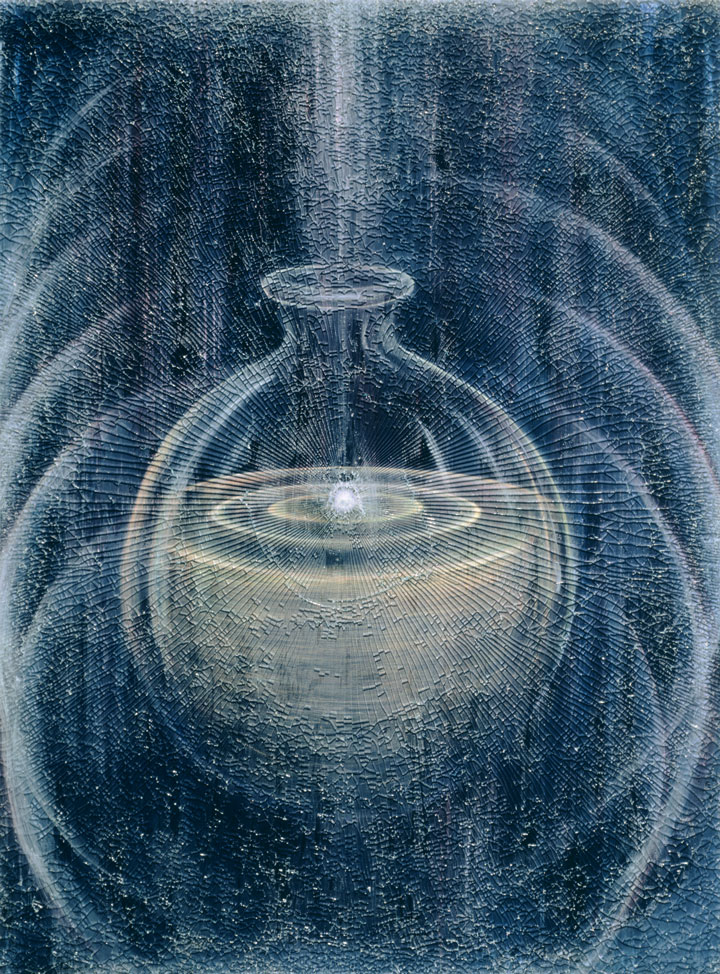
Highlights from the MOCRA Collection |
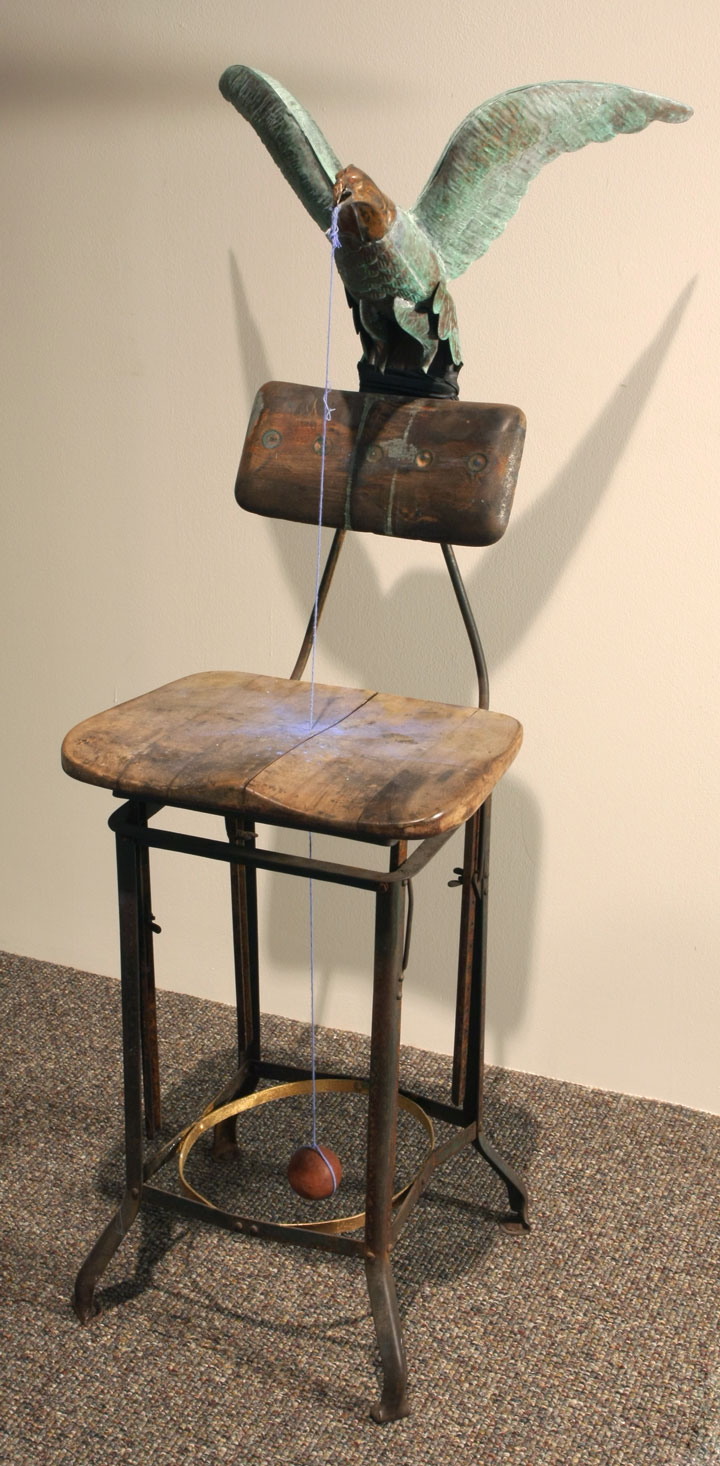
Highlights from the MOCRA Collection |
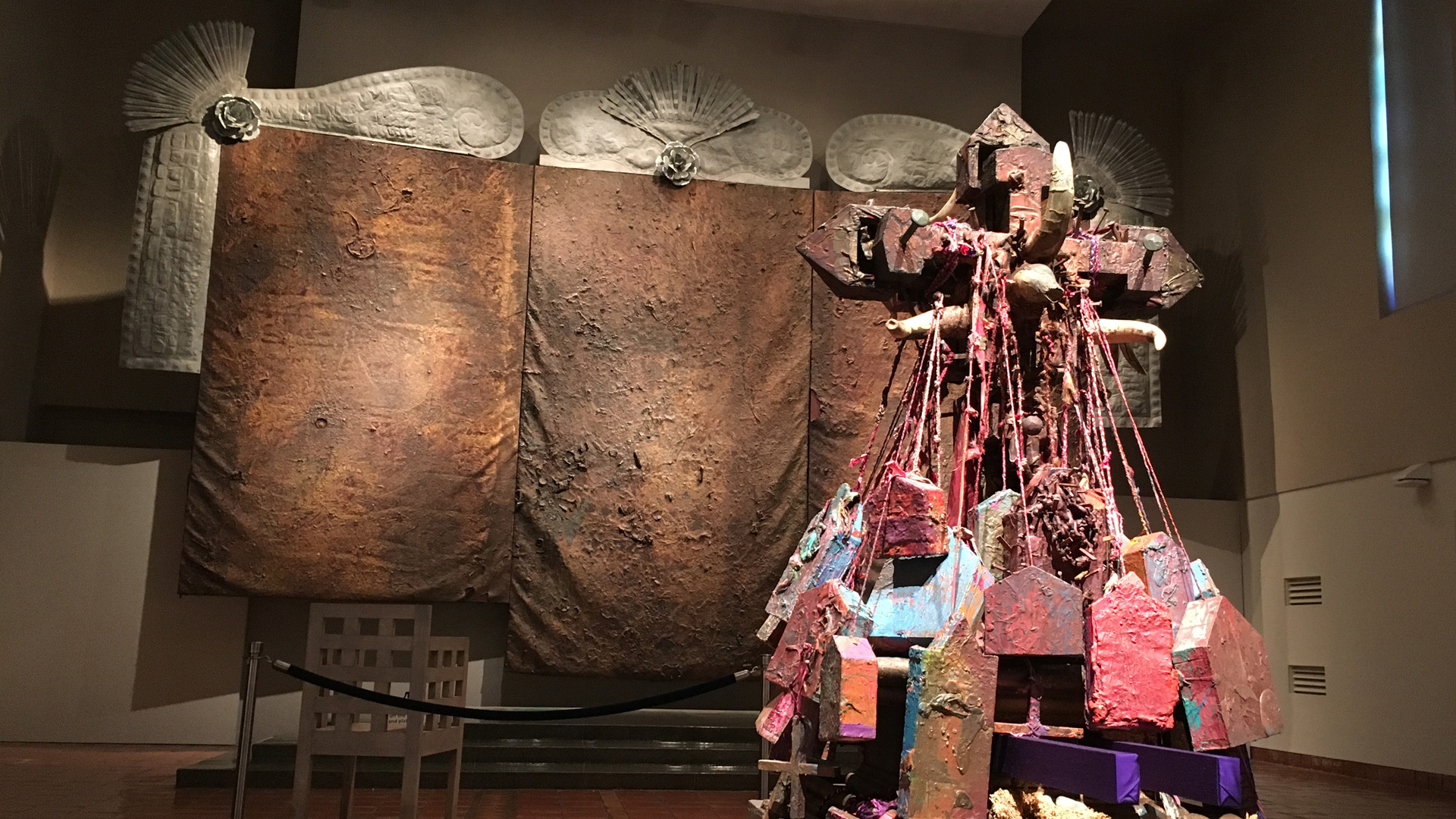
Highlights from the MOCRA Collection: The Romero Cross |
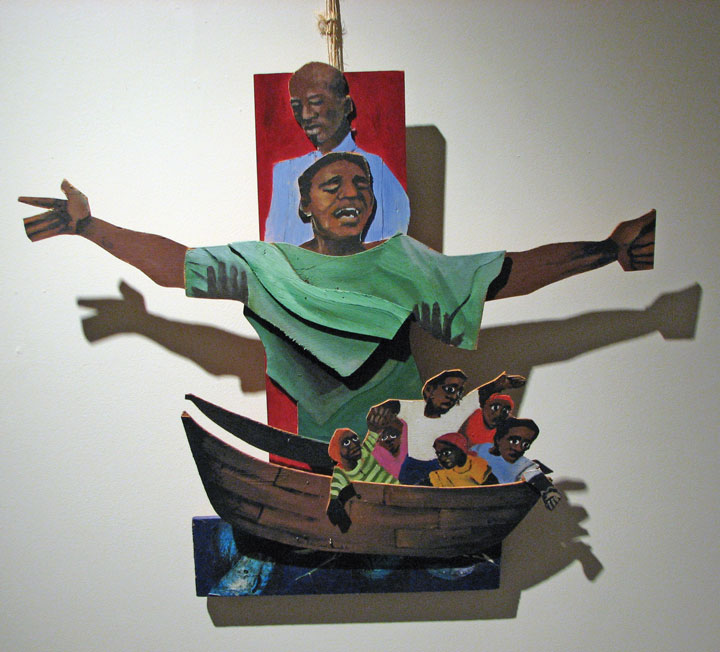
Highlights from the MOCRA Collection |
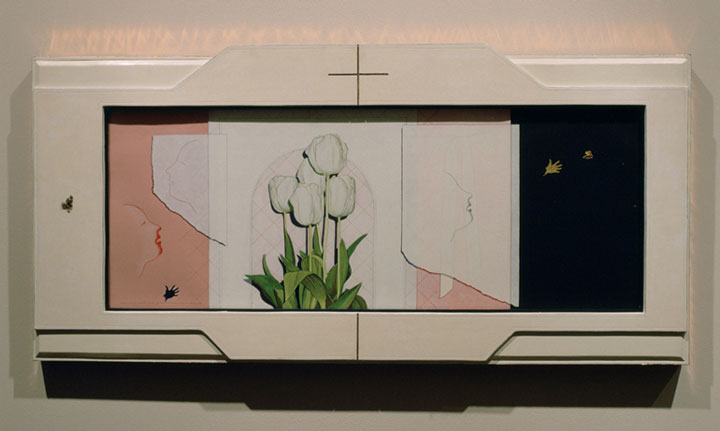
Highlights from the MOCRA Collection |
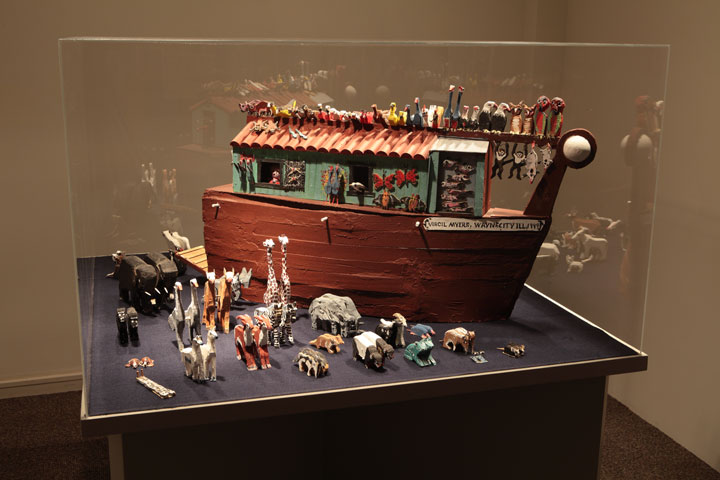
Highlights from the MOCRA Collection |
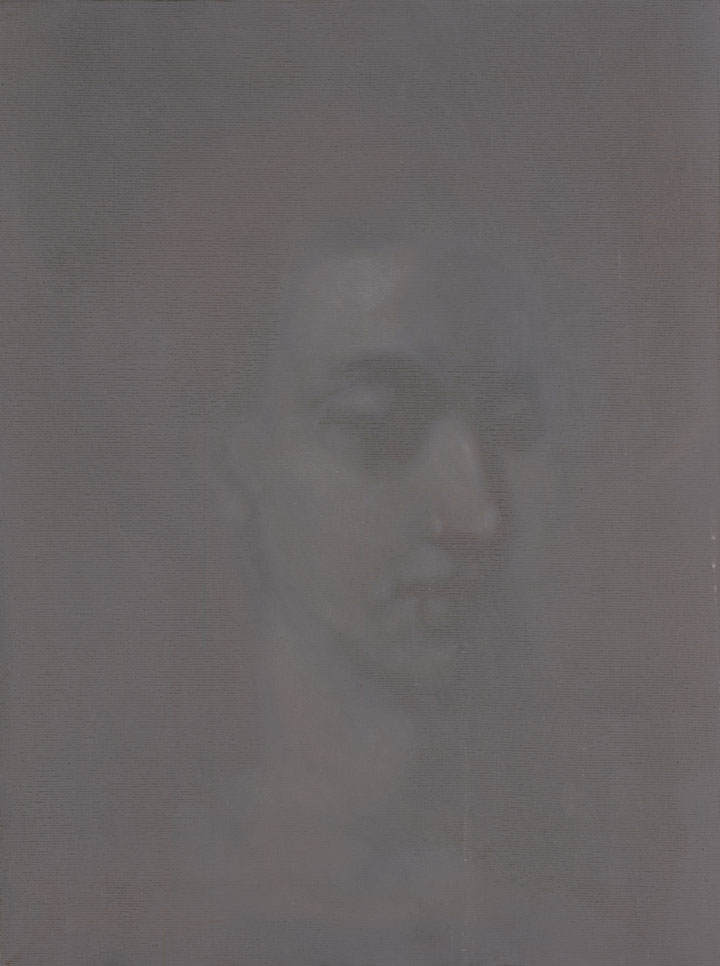
Highlights from the MOCRA Collection |
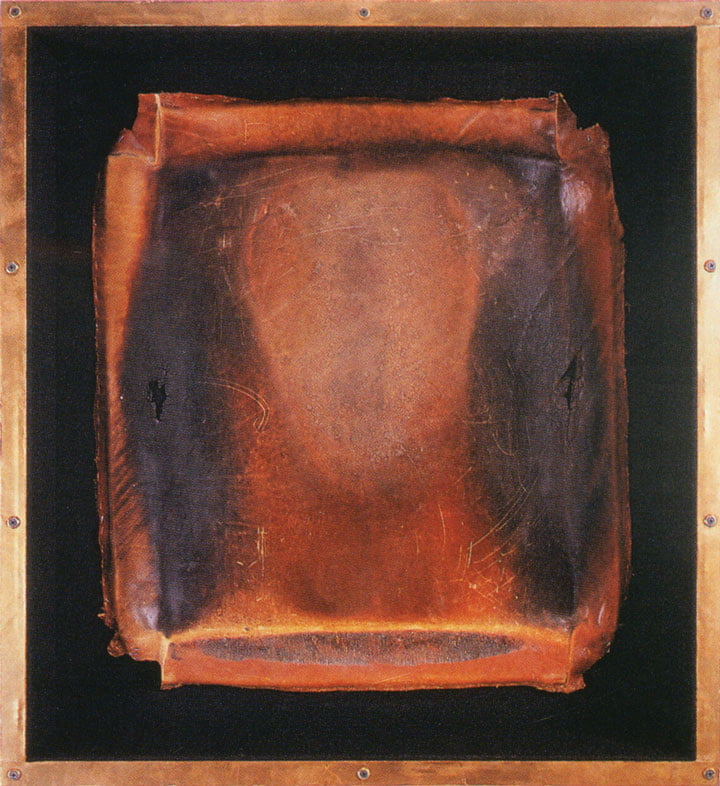
Highlights from the MOCRA Collection |
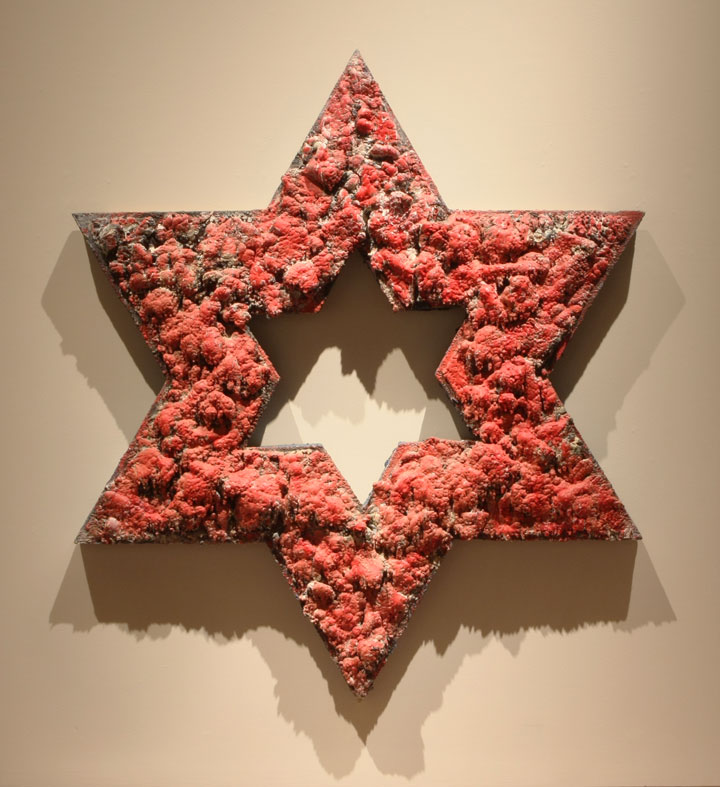
Highlights from the MOCRA Collection |
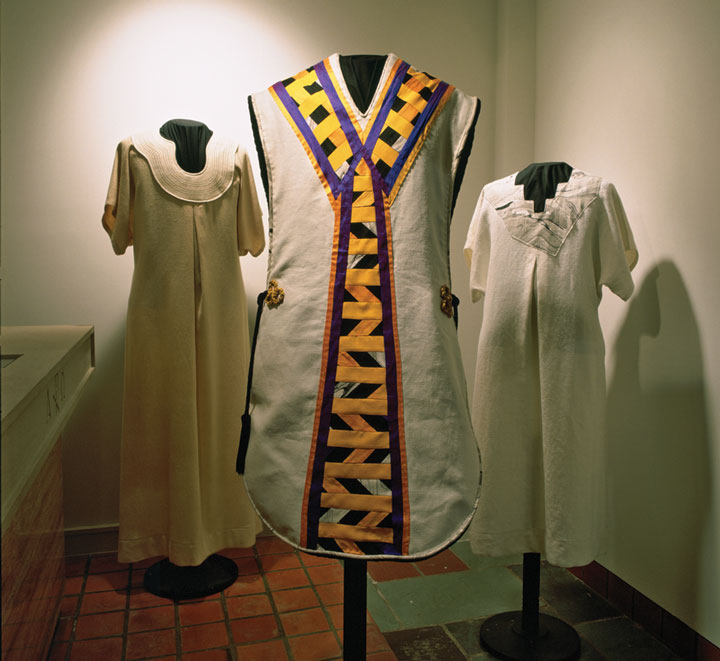
Highlights from the MOCRA Collection |
|
Sanctuaries: Recovering the Holy in Contemporary Art, Part Two – Three Major Installations |
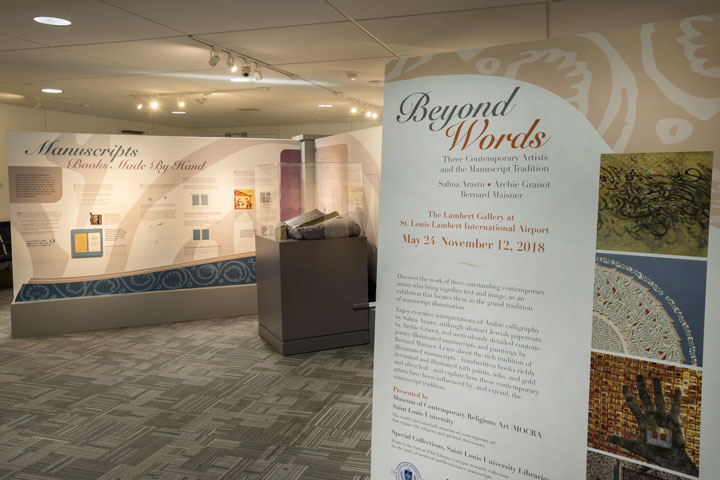
Beyond Words: Three Contemporary Artists and the Manuscript Tradition |
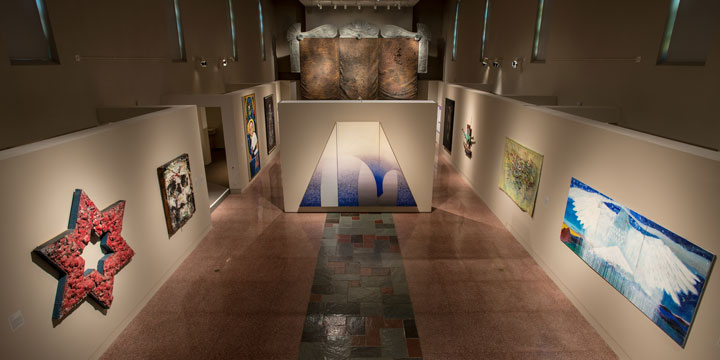
MOCRA: 25 |
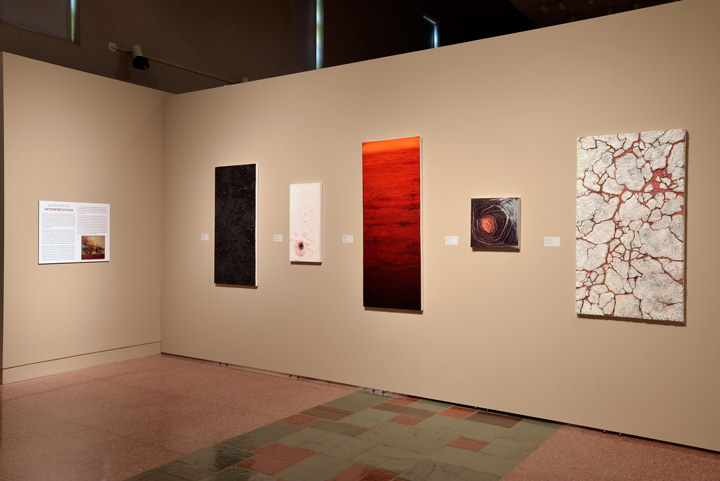
Gary Logan: Elements |
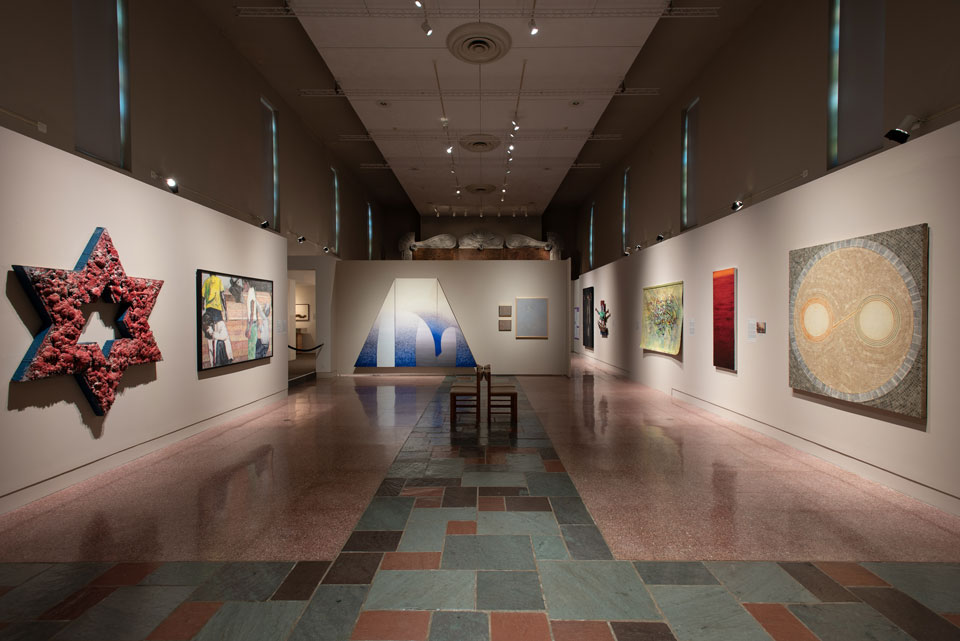
Gratitude |
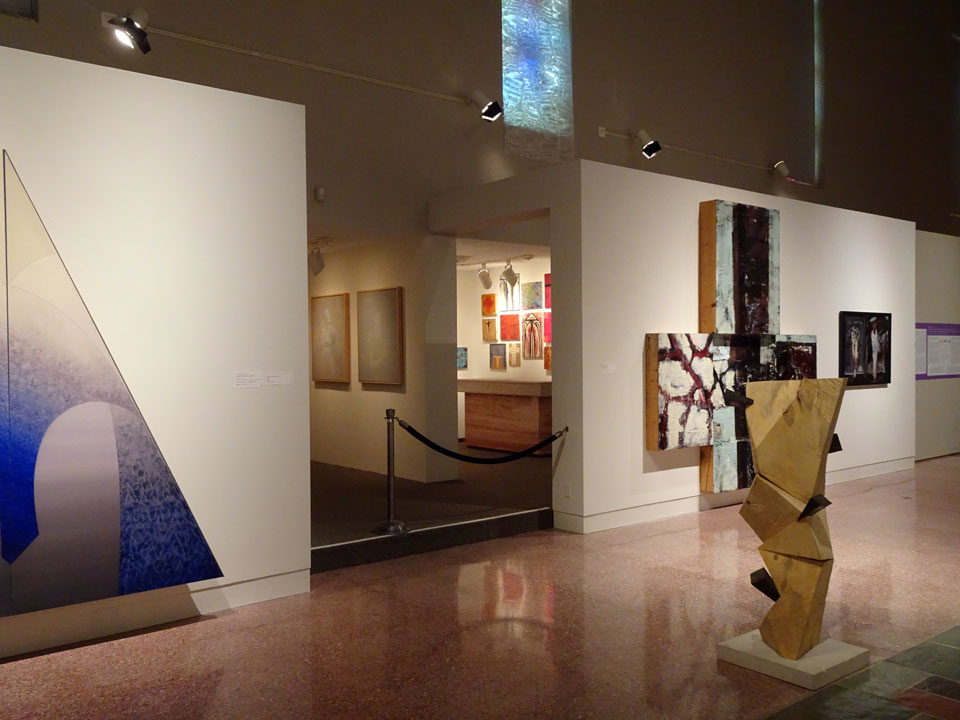
Surface to Source |
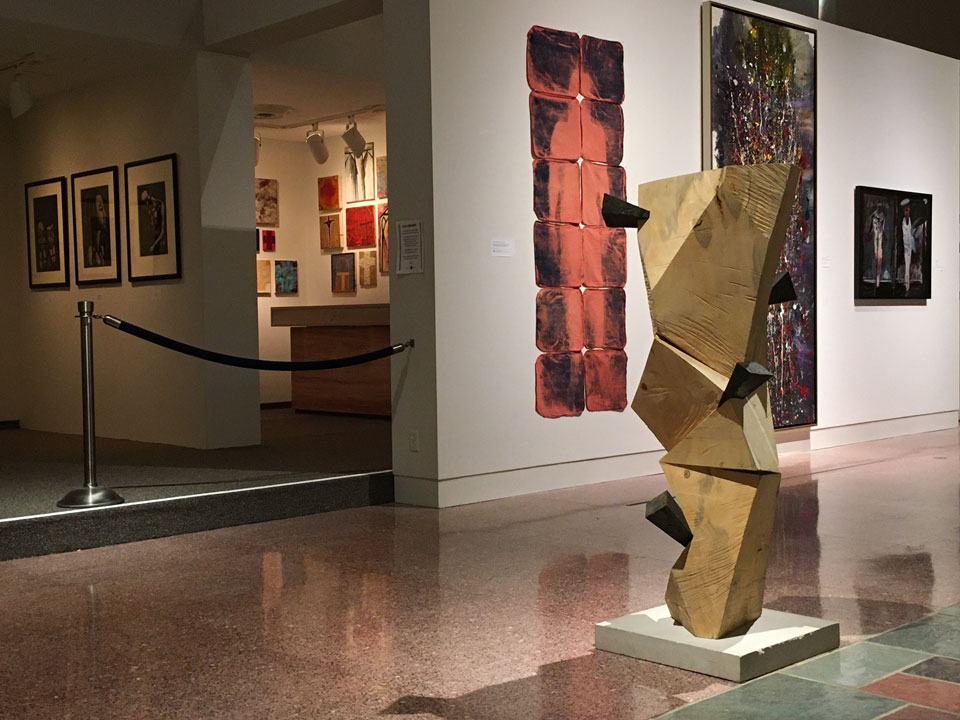
Quiet Isn’t Always Peace |
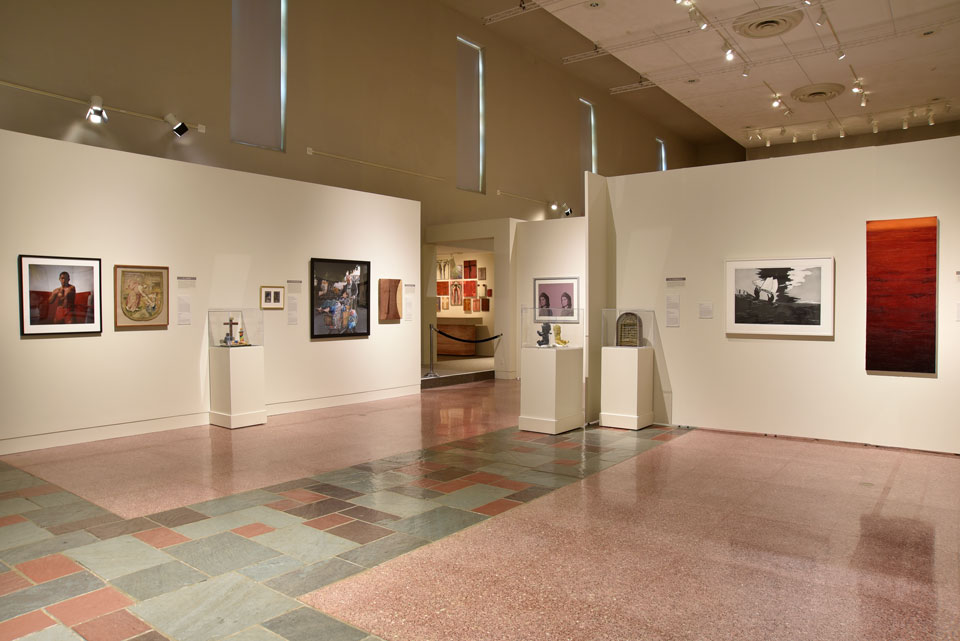
Tom Kiefer: Pertenencias / Belongings |
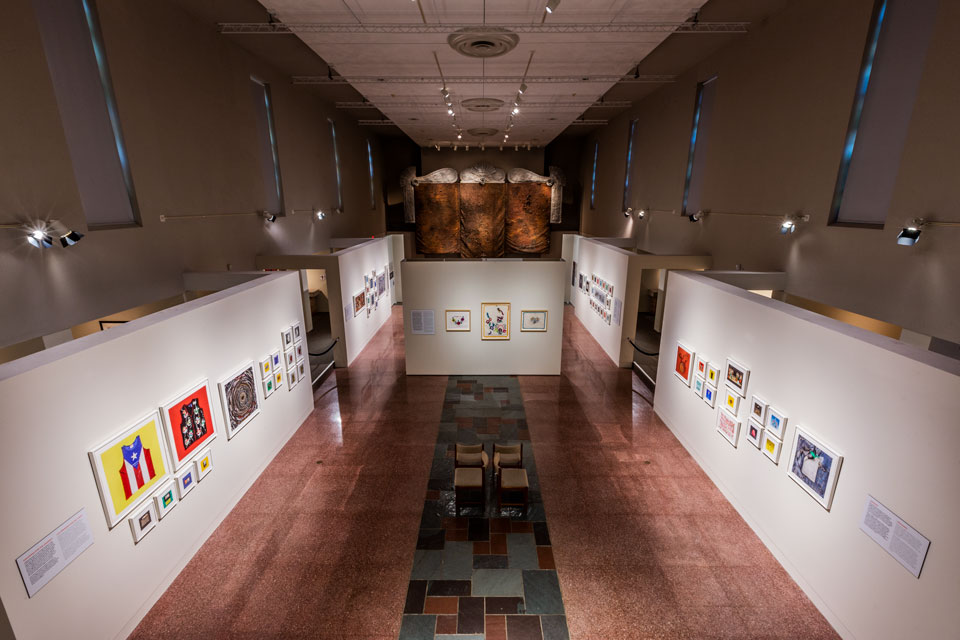
Double Vision: Art from Jesuit University Collections |
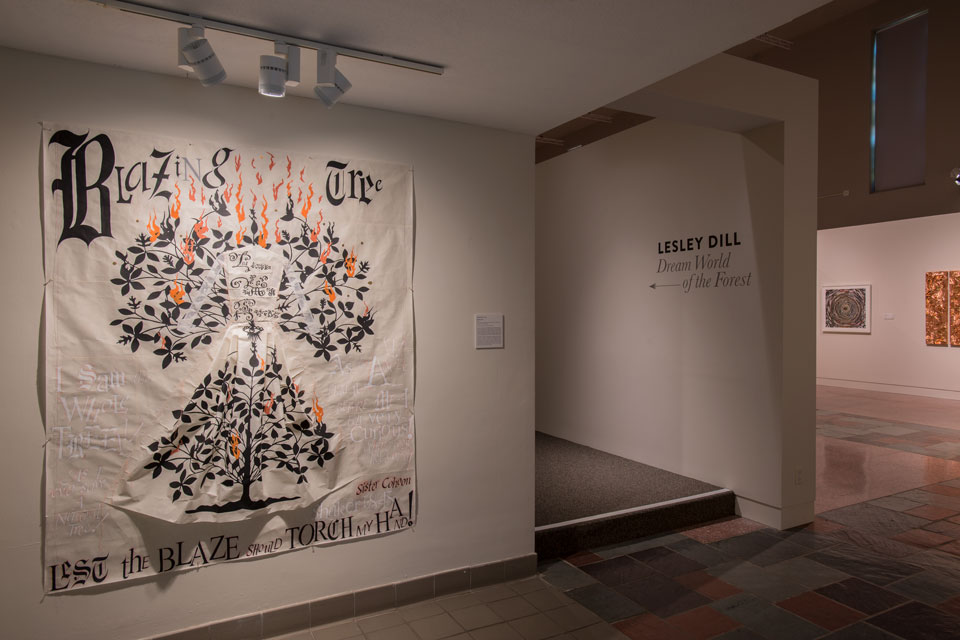
Lesley Dill: Dream World of the Forest |
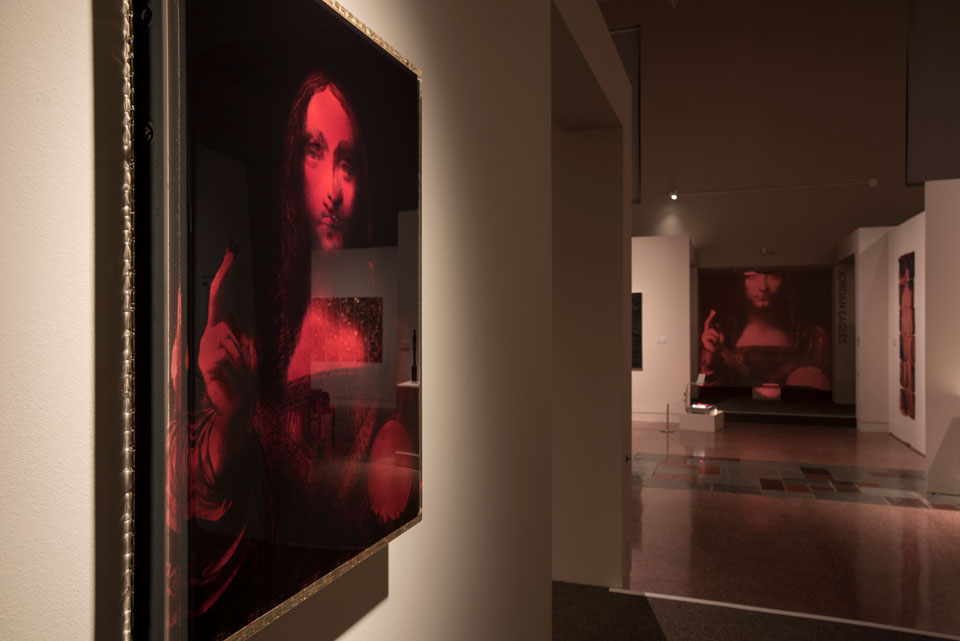
Jordan Eagles: VIRAL\VALUE |
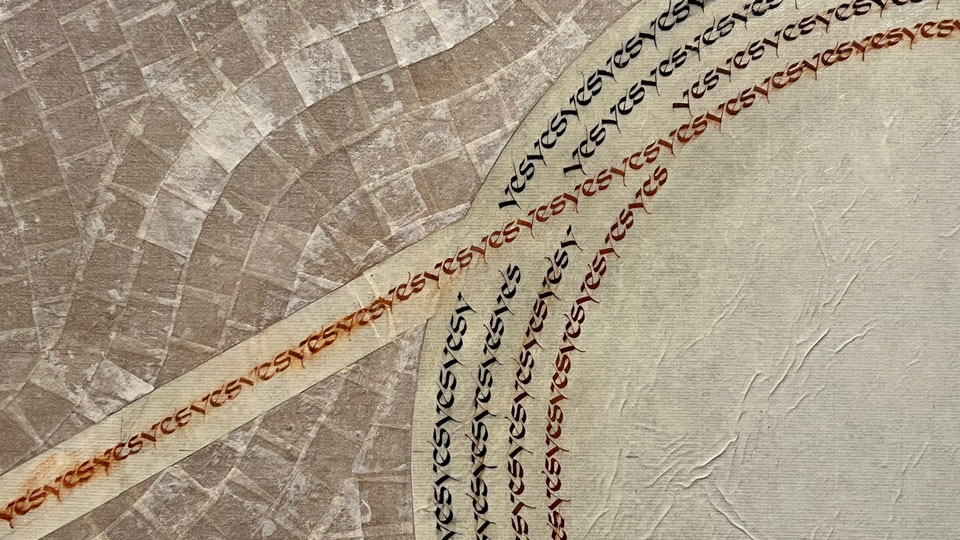
This Road Is the Heart Opening: Selections from the MOCRA Collection |
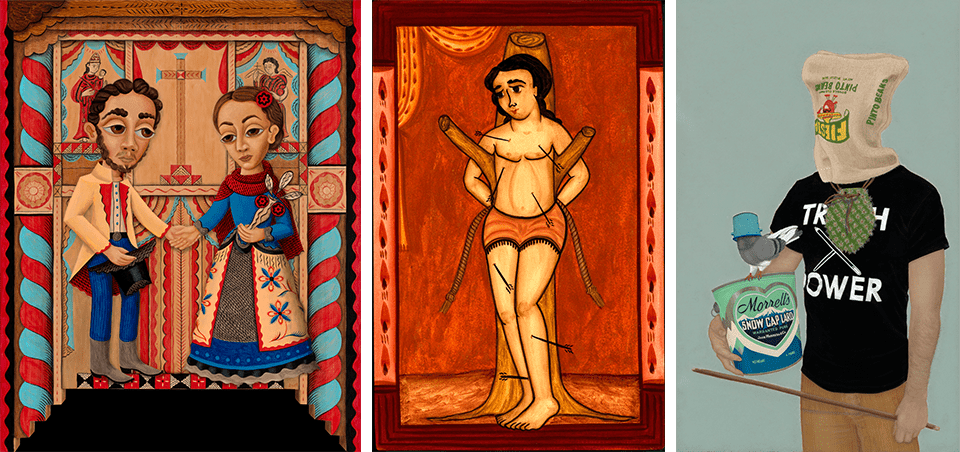
Vicente Telles and Brandon Maldonado: Cuentos Nuevomexicanos |
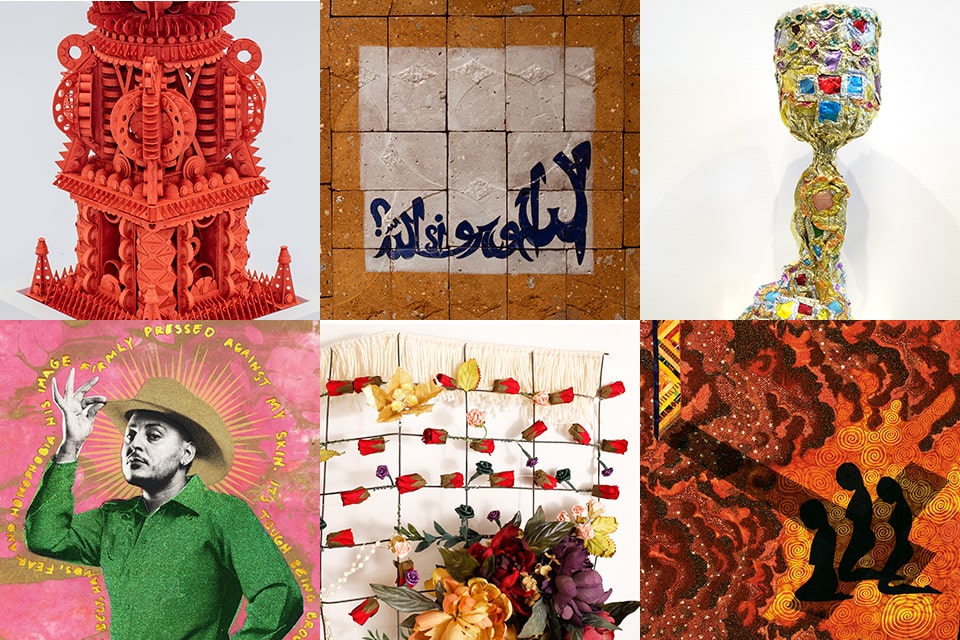
Open Hands: Crafting the Spiritual |
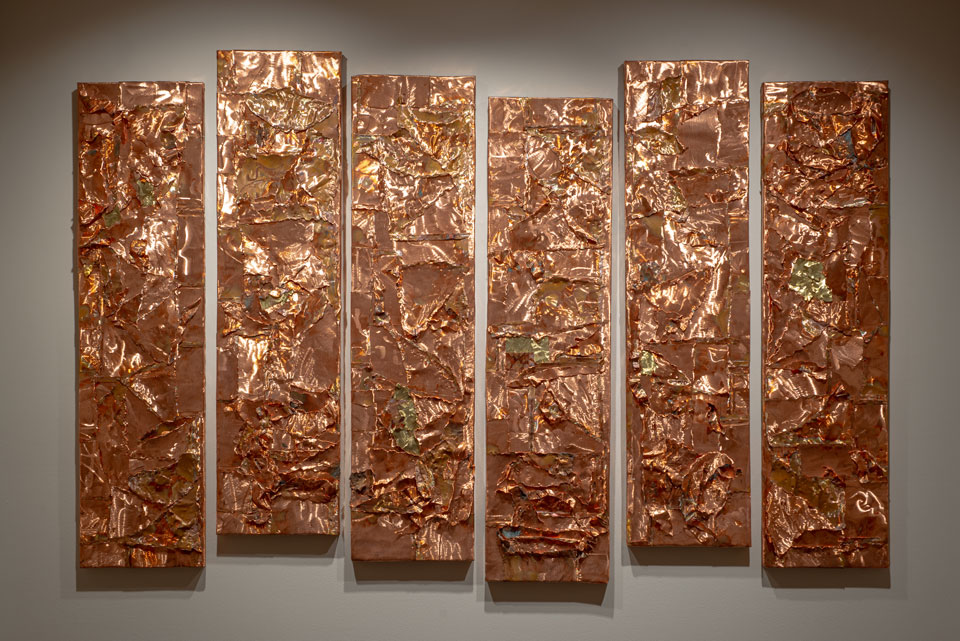
Selections from the MOCRA Collection |
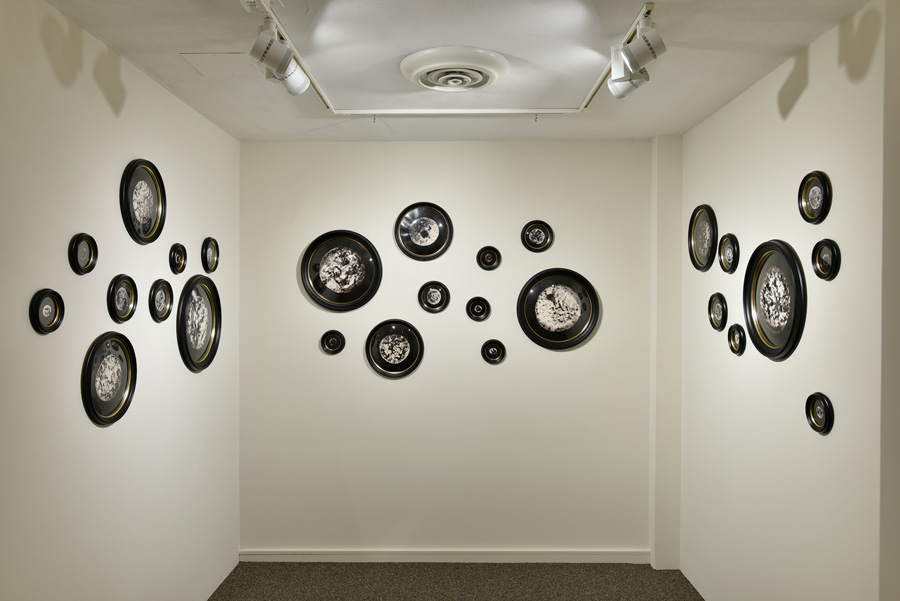
Continuum: Figuration and Abstraction in the MOCRA Collection |
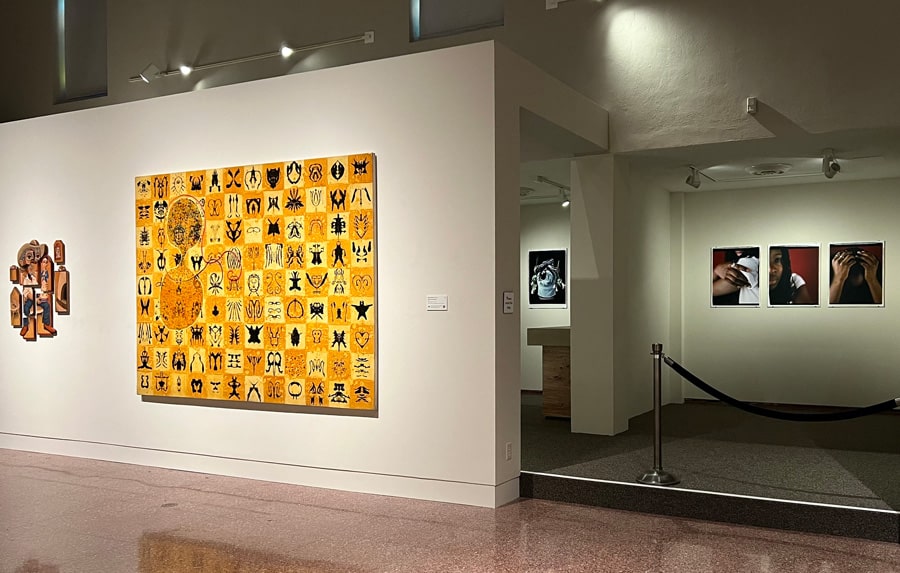
Continuum (Continued): Figuration and Abstraction in the MOCRA Collection |
Selections from the MOCRA Collection |
|
To See This Place: Awakening to Our Common Home |
Legacy: Selections from the Gerald R. and Mary Reid Brunstrom Gift of Art from Australia |
Liminal |